
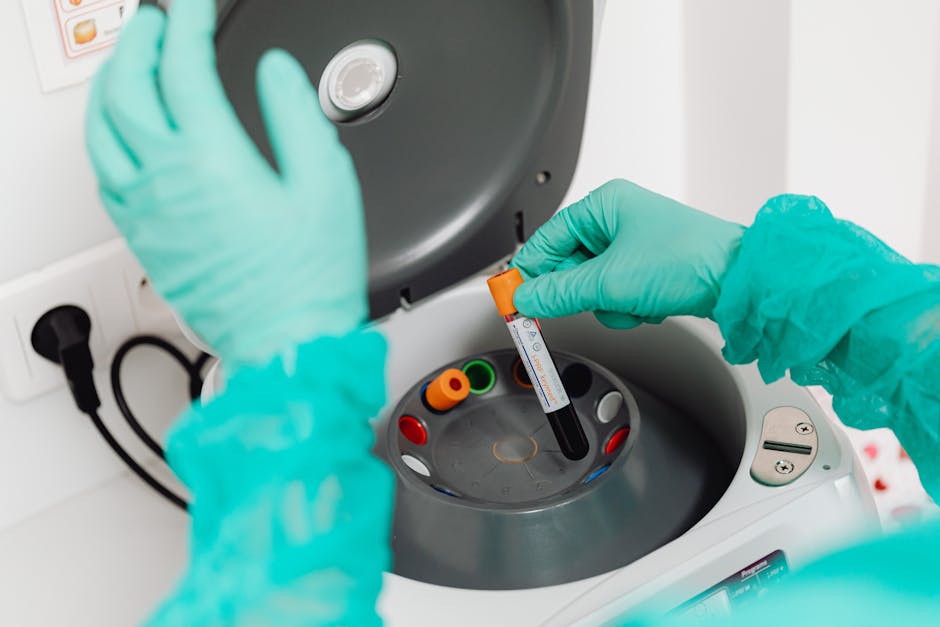
In my practice, I often encounter questions regarding the normal range of platelets, an essential component of blood responsible for clotting. Platelets, also known as thrombocytes, play a crucial role in stopping bleeding by forming clots at the site of injury. Understanding what constitutes a normal platelet count is vital for detecting and diagnosing potential health issues. This article delves into the normal range for platelet counts, why it’s important, and what deviations may indicate.
What Is a Normal Platelet Count?
A normal platelet count is typically defined as 150,000 to 450,000 platelets per microliter of blood. This range can vary slightly depending on the laboratory standards and the method of measurement used. Platelet levels outside this range can indicate various health conditions and require further evaluation by a healthcare provider.
The Role of Platelets in the Body
Platelets are small, disc-shaped cell fragments produced in the bone marrow by megakaryocytes. They are crucial for maintaining hemostasis, the process that stops bleeding and repairs injured blood vessels. When a blood vessel is damaged, platelets adhere to the vessel’s wall and to each other, forming a plug that aids in clot formation.
Beyond their role in clotting, platelets are increasingly recognized for their involvement in other physiological processes, such as inflammation and immune responses, showcasing the multifaceted functions these cells perform in the body.
Why is Monitoring Platelet Levels Important?
Maintaining a normal platelet count is vital because both low and high levels can signify potential health issues. Routine blood tests, such as a complete blood count (CBC), include platelet measurements and help detect variations from the normal range, guiding further clinical evaluations and management.
Low Platelet Count (Thrombocytopenia)
Thrombocytopenia refers to a platelet count below 150,000 per microliter. Common causes include bone marrow disorders, autoimmune diseases, certain medications, and viral infections. Symptoms may include easy bruising, prolonged bleeding from cuts, and spontaneous bleeding from the gums or nose.
High Platelet Count (Thrombocytosis)
Conversely, thrombocytosis is characterized by a platelet count exceeding 450,000 per microliter. It may result from chronic inflammatory conditions, iron deficiency, or myeloproliferative disorders. While often asymptomatic, thrombocytosis increases the risk of thrombosis, leading to complications such as stroke or heart attack.
How are Platelet Levels Diagnosed?
Platelet levels are typically assessed through a CBC, a readily available and straightforward blood test. If initial results suggest abnormal platelet counts, further testing may be required to determine the underlying cause. This can include bone marrow examination, genetic testing, or additional blood tests to assess for related conditions.
Interpreting Platelet Count Variations
As a clinician, interpreting variations in platelet counts requires considering patient history, clinical presentation, and additional laboratory findings. For medical students and residents, understanding the potential causes of abnormal platelet levels is essential for making informed differential diagnoses.
Managing Abnormal Platelet Counts
Treatment for abnormal platelet counts hinges on the underlying cause. In my experience, a tailored approach—considering both pharmacological treatment and lifestyle interventions—is crucial for effective management.
Approach to Thrombocytopenia
- Pharmacological Options: Treatment may include corticosteroids, immune globulin, or medications to stimulate platelet production in cases of immune-mediated thrombocytopenia.
- Lifestyle Adjustments: Patients are advised to avoid activities that increase bleeding risk and avoid certain medications, such as nonsteroidal anti-inflammatory drugs (NSAIDs).
Approach to Thrombocytosis
- Medical Interventions: Depending on the cause, treatments may include low-dose aspirin to reduce clotting risk or specific medications to reduce platelet production.
- Monitoring and Prevention: Regular follow-up and lifestyle modifications, including managing cardiovascular risk factors, are often recommended.
Complications of Abnormal Platelet Count
Failure to address significant deviations from a normal platelet count can lead to complications. Untreated thrombocytopenia increases the risk of severe bleeding, allergic reactions to transfusions, and, in rare cases, life-threatening hemorrhage.
Similarly, unaddressed thrombocytosis can result in thrombotic events, leading to serious health outcomes such as myocardial infarction or pulmonary embolism.
Prevention and Monitoring
The key to maintaining a healthy platelet count, especially for individuals at risk of abnormalities, lies in regular monitoring and addressing modifiable risk factors. Regular medical check-ups, healthy lifestyle choices, and awareness of personal and family medical history are essential for early detection and management.
Screening Recommendations
Screening for platelet disorders is not routinely conducted in asymptomatic individuals but is essential for those with a family history of clotting disorders or presenting symptoms suggestive of abnormal platelet counts.
Conclusion and Key Takeaways
Understanding the significance of a normal platelet count is integral to the overall assessment and management of a patient’s health. As a healthcare provider, recognizing the signs of abnormal platelet levels and initiating timely interventions can significantly impact patient outcomes. Regular blood tests, a comprehensive evaluation of underlying causes, and a multi-faceted treatment approach ensure optimal management of platelet count disorders. Always consult with a healthcare provider for individualized medical advice and treatment planning.


