
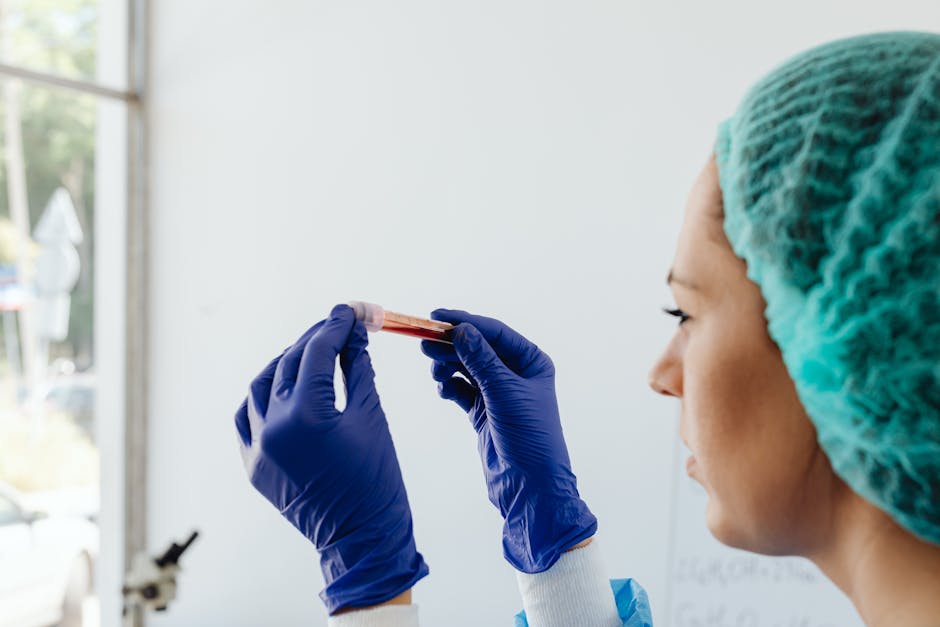
Platelet disorders are conditions where your platelets — the tiny blood cells that stop bleeding — are either too few, too many, or don’t work properly. A normal platelet count ranges from 150,000 to 400,000 per microliter of blood. When counts drop below 150,000 (thrombocytopenia) or exceed 400,000 (thrombocytosis), or when platelets function abnormally despite normal numbers, you’re dealing with a platelet disorder that may need treatment.
These conditions range from mild (you might bruise easily and never know why) to life-threatening (spontaneous internal bleeding or dangerous clots). Some people are born with platelet disorders; others develop them from medications, autoimmune disease, or bone marrow problems. The good news: most platelet disorders are manageable once correctly diagnosed.
The Two Main Categories of Platelet Disorders
Every platelet disorder falls into one of two buckets:
- Quantitative disorders — abnormal platelet numbers (too high or too low)
- Qualitative disorders — abnormal platelet function (platelets are there but don’t work right)
Within each category, the disorder can be inherited (you’re born with it) or acquired (it develops later in life). This distinction matters because it changes everything about treatment.
7 Major Types of Platelet Disorders
| Disorder | Type | Inherited or Acquired | Key Feature |
|---|---|---|---|
| Immune Thrombocytopenic Purpura (ITP) | Low count | Acquired | Antibodies destroy platelets; counts often below 30,000 |
| Thrombotic Thrombocytopenic Purpura (TTP) | Low count | Acquired (rarely inherited) | Microclots form throughout the body; medical emergency |
| Drug-Induced Thrombocytopenia | Low count | Acquired | Triggered by heparin, quinine, certain antibiotics, and others |
| Essential Thrombocythemia | High count | Acquired (myeloproliferative) | Platelet counts often exceed 600,000–1,000,000 |
| Glanzmann Thrombasthenia | Dysfunction | Inherited | Missing GPIIb/IIIa receptor; platelets can’t aggregate |
| Bernard-Soulier Syndrome | Dysfunction + low count | Inherited | Giant platelets; missing GPIb receptor |
| Storage Pool Deficiency | Dysfunction | Inherited | Platelet granules are absent or don’t release properly |
ITP is by far the most common platelet disorder, affecting roughly 3.3 per 100,000 adults annually. In children, ITP often resolves on its own within 6 months. In adults, it’s more likely to become chronic.
Symptoms: What Platelet Disorders Actually Look Like
Platelet-related bleeding looks different from clotting factor problems. With platelet disorders, you typically see mucocutaneous bleeding — bleeding from skin and mucous membranes rather than deep tissue or joints. Here’s the clinical pattern:
- Petechiae — pinpoint red/purple dots on the skin, especially on the legs and ankles
- Easy bruising (ecchymoses) — bruises that appear with minimal or no trauma
- Nosebleeds that are frequent, last more than 10 minutes, or require packing
- Gum bleeding when brushing teeth or eating
- Heavy menstrual periods — menorrhagia affects up to 33% of women with platelet disorders
- Prolonged bleeding after dental work, surgery, or minor cuts
- Blood in urine or stool (less common, signals more severe disease)
A key clinical rule: spontaneous bleeding rarely occurs until platelet counts drop below 20,000/μL. Between 20,000 and 50,000, you’re at risk with trauma or surgery. Above 50,000, most people function normally day-to-day.
How Platelet Disorders Are Diagnosed
Diagnosis starts with a complete blood count (CBC) — this tells you the platelet number and can flag abnormal platelet size (Platelet Volume (MPV) in Clinical Practice”>mean platelet volume, or MPV). But a normal platelet count doesn’t rule out a platelet disorder if the problem is function, not quantity.
Key Diagnostic Tests
- Peripheral blood smear — a pathologist examines platelets under a microscope to check size, shape, and clumping
- Platelet function assay (PFA-100) — screens for functional defects; closure time above 165 seconds for collagen/epinephrine is abnormal
- Platelet aggregation studies — the gold standard for diagnosing qualitative disorders like Glanzmann thrombasthenia
- Flow cytometry — identifies missing surface receptors (GPIIb/IIIa, GPIb)
- Bone marrow biopsy — reserved for cases where the cause of thrombocytopenia is unclear; evaluates megakaryocytes (the cells that produce platelets)
- Genetic testing — increasingly used for suspected inherited disorders, especially in children with lifelong bleeding symptoms
If you’re being worked up for a possible platelet disorder, ask your doctor whether a simple CBC is enough or whether functional testing is needed. Many mild qualitative disorders get missed for years because no one orders aggregation studies.
Treatment Options by Disorder Type
For Low Platelet Counts (Thrombocytopenia)
ITP treatment has evolved significantly. First-line therapy is typically corticosteroids (prednisone 1 mg/kg/day), which produce a response in about 60–80% of patients. For chronic or refractory ITP, options include:
- Thrombopoietin receptor agonists (TPO-RAs) — eltrombopag and romiplostim stimulate the bone marrow to produce more platelets. Response rates exceed 80% in clinical trials.
- Rituximab — targets B cells producing anti-platelet antibodies; initial response in ~60%, though many relapse
- Splenectomy — removes the organ responsible for most platelet destruction; still effective (~65% long-term remission) but used less often now that TPO-RAs are available
- IVIG (intravenous immunoglobulin) — rapid but temporary platelet boost; used for active bleeding or pre-surgery
For drug-induced thrombocytopenia, stopping the offending medication is usually sufficient. Heparin-induced thrombocytopenia (HIT) is a special case — it paradoxically causes clotting, not bleeding, and requires immediate heparin discontinuation plus an alternative anticoagulant.
For Platelet Dysfunction
Inherited platelet function disorders don’t have a cure. Management focuses on preventing and controlling bleeding:
- Desmopressin (DDAVP) — releases stored von Willebrand factor and improves platelet adhesion; works well for mild disorders
- Antifibrinolytic agents — tranexamic acid and aminocaproic acid stabilize clots and are especially useful for dental procedures and heavy periods
- Platelet transfusions — reserved for severe bleeding or major surgery, since repeated transfusions can trigger antibody formation
- Recombinant factor VIIa — used in refractory bleeding for Glanzmann thrombasthenia
When to See a Doctor
Don’t wait if you notice any of these red flags:
- Petechiae appearing on your skin without injury
- Nosebleeds that won’t stop after 15 minutes of direct pressure
- Unusually heavy periods that soak through a pad or tampon every hour
- Blood in your urine or stool
- Excessive bruising — particularly large bruises in unusual locations
- A known low platelet count that’s been dropping on repeated labs
Ask your primary care doctor for a referral to a hematologist if your platelet count is persistently below 100,000/μL, if you have unexplained bleeding symptoms, or if initial treatment for ITP isn’t working.
Frequently Asked Questions
What platelet count is dangerously low?
A platelet count below 10,000/μL is considered critically low and carries a risk of spontaneous life-threatening bleeding, including intracranial hemorrhage. Most hematologists will transfuse platelets at this threshold even without active bleeding. Counts between 10,000 and 20,000 are dangerous and typically require close monitoring or treatment.
Can platelet disorders be cured?
It depends on the type. Acquired disorders like ITP can sometimes go into complete remission, especially in children (about 80% resolve within 12 months). Drug-induced thrombocytopenia resolves once the drug is stopped. Inherited disorders like Glanzmann thrombasthenia and Bernard-Soulier syndrome are lifelong conditions managed with symptom control, not cure — though bone marrow transplant has been performed in rare, severe cases.
Does aspirin cause a platelet disorder?
Aspirin irreversibly inhibits cyclooxygenase-1 (COX-1) in platelets, blocking thromboxane A2 production and impairing platelet aggregation for the platelet’s entire 7–10 day lifespan. This is technically an acquired qualitative platelet disorder. For most people it’s therapeutic (preventing heart attacks and strokes), but it can cause significant bleeding in people with underlying platelet problems. Always tell your doctor about aspirin use before surgery.
Can stress cause low platelet counts?
Acute physiological stress doesn’t directly lower platelet counts. However, severe illness, sepsis, and critical care situations absolutely do — through mechanisms like disseminated intravascular coagulation (DIC) and bone marrow suppression. Emotional stress alone is not a recognized cause of thrombocytopenia, though stress may worsen autoimmune conditions like ITP in some patients.
What foods help raise platelet counts?
No food will meaningfully raise a platelet count that’s low due to immune destruction or bone marrow failure — that requires medical treatment. However, for mild nutritional deficiency-related thrombocytopenia, ensuring adequate intake of folate (leafy greens, legumes), vitamin B12 (meat, dairy), and iron can support normal platelet production. Papaya leaf extract has shown modest platelet-boosting effects in small studies of dengue-associated thrombocytopenia, but the evidence isn’t strong enough for routine recommendation.


