
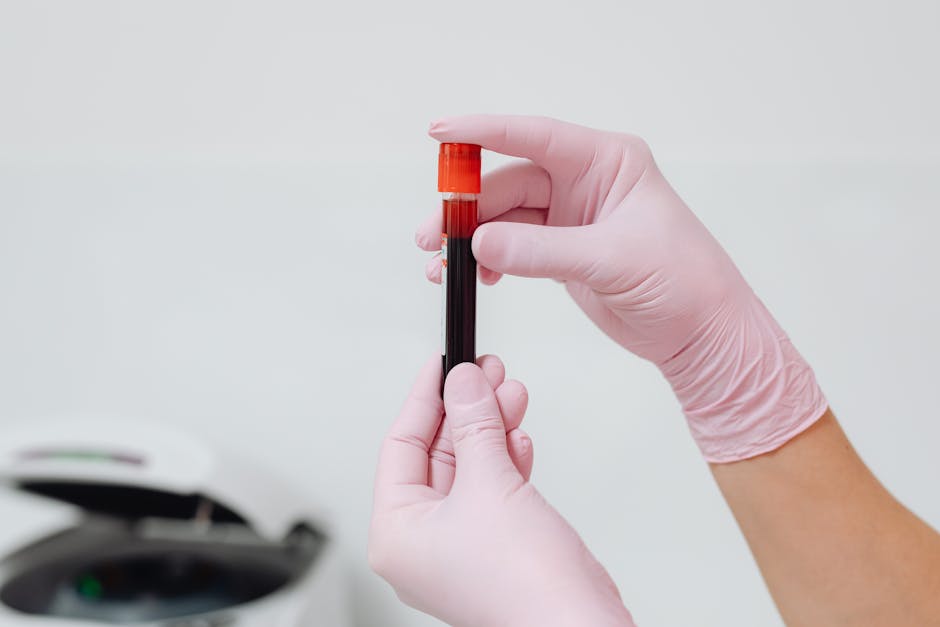
In my practice, I frequently encounter questions about the normal platelet count and its significance in both everyday health and specific medical conditions. Platelet count, a critical component of the complete blood count (CBC), provides essential insights into an individual’s Hematological Disorders: Essentials for Patients and Caregivers”>hematological health. Understanding what constitutes a normal platelet count, along with its variations, is fundamental for both medical professionals and patients alike.
What Is a Normal Platelet Count?
The normal platelet count typically ranges between 150,000 to 450,000 platelets per microliter of blood for most individuals. Platelets, or thrombocytes, play a crucial role in hemostasis, the process that prevents and stops bleeding. They are produced in the bone marrow and held in reserve in the spleen. Variations within this range can occur due to factors such as age, gender, and physiological conditions like menstruation or pregnancy.
Clinical Significance of a Normal Platelet Count
A normal platelet count is essential as it serves as a marker of adequate bone marrow function and reflects health in many respects. The platelet count can be indicative of various medical conditions when found to be either too high or too low. Therefore, understanding what your platelet count reveals about your health is crucial in guiding appropriate clinical decisions.
In clinical settings, I often use platelet counts as part of a diagnostic workup for conditions such as bruising, bleeding disorders, or after suspecting blood clots. Essentially, the platelet count serves as a litmus test for broader hematological evaluation.
Factors Influencing Normal Platelet Count
There are several factors that can influence an individual’s platelet count, including:
- Age and Gender: Children often have a slightly higher platelet count compared to adults. Also, platelet levels may vary between genders.
- Time of Day: Platelet counts can fluctuate slightly depending on the time of day due to diurnal variations.
- Nutritional Status: A deficiency in nutrients such as vitamin B12 or folate can affect platelet production.
- Medication Use: Certain medications, like NSAIDs and anticoagulants, can lower platelet counts.
When to Be Concerned About Platelet Count
Concerns arise when platelet counts deviate significantly from the normal range—either as thrombocytopenia (Low Platelet Count: Causes, Symptoms, and Management”>low platelet count) or thrombocytosis (high platelet count).
Thrombocytopenia: Low Platelet Count
A platelet count below 150,000 per microliter is considered low and may present symptoms such as easy or unexplained bruising, prolonged bleeding from cuts, petechiae (small red spots due to bleeding), and fatigue. Causes can include bone marrow disorders, autoimmune diseases, certain infections, and the side effects of medications.
Thrombocytosis: High Platelet Count
Conversely, a high platelet count, above 450,000 per microliter, can lead to a risk of thrombosis. This condition can result from various factors such as iron-deficiency anemia, inflammatory diseases, or myeloproliferative disorders. In some cases, reactive thrombocytosis is observed after surgical procedures or following an infection.
Diagnosis and Monitoring of Platelet Count
A complete blood count (CBC) is the primary test used to assess platelet count. Regular blood tests can help monitor trends and identify abnormalities early. In the situation of abnormal platelet levels, additional tests may include bone marrow biopsy, tests for specific antibodies, or coagulation profiles to pinpoint underlying causes.
Diagnostically, understanding the cause of any deviation from the normal platelet count is critical, and often a multidisciplinary approach involving hematologists and other specialists is employed for comprehensive patient care.
Maintaining a Healthy Platelet Count
While some factors influencing platelet count are beyond individual control, several lifestyle choices can support healthy platelet production:
- Nutrition: A diet rich in essential vitamins and minerals (such as vitamin B12, folic acid, and iron) is crucial.
- Exercise: Regular physical activity can improve overall circulation and bone marrow health.
- Regular Check-ups: Routine blood tests as part of preventative healthcare can help identify and address changes in platelet levels early.
Risks and Potential Complications
Unaddressed abnormal platelet counts can lead to various complications. Low platelet counts may cause severe bleeding and are particularly risky during surgeries or injuries. High platelet counts might result in thromboembolic events such as strokes and myocardial infarctions.
It’s crucial for individuals with known or suspected platelet count issues to maintain open communication with healthcare providers. Prompt treatment tailored to the specific cause can significantly mitigate risks associated with abnormal platelet counts.
Conclusion: The Importance of Monitoring Normal Platelet Count
Monitoring and understanding the nuances of a normal platelet count is a vital aspect of maintaining good health and preventing complications. In my practice, I emphasize the importance of regular blood work and consulting healthcare providers for detailed evaluations of any abnormalities. Balancing understanding with proactive healthcare can effectively manage risks associated with deviations in platelet counts, ensuring comprehensive patient care.


