
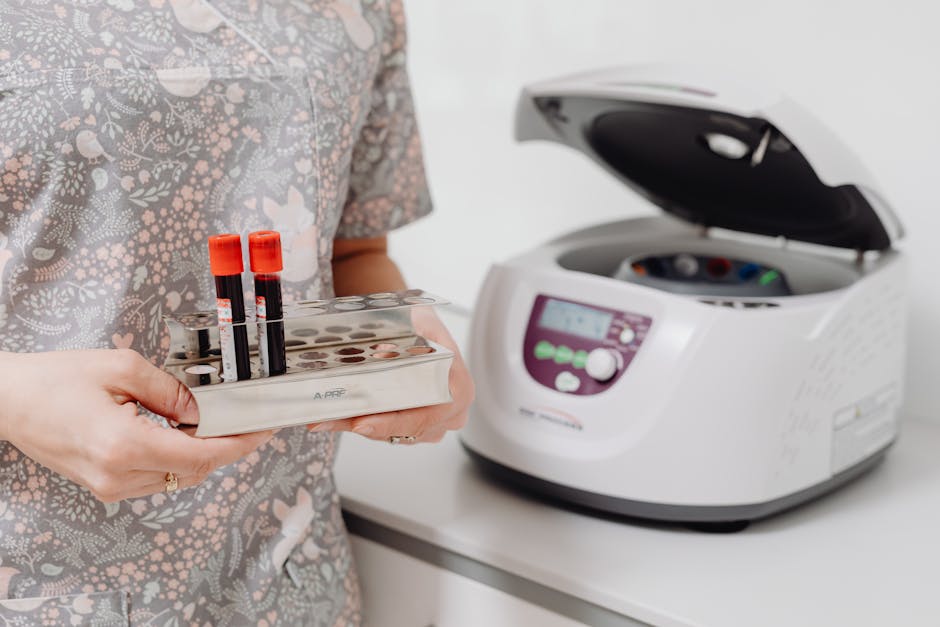
Your platelet count tells you how well your body can form clots and stop bleeding — and when it’s abnormal, it can be the first clue to conditions ranging from autoimmune disease to bone marrow failure. A normal platelet count falls between 150,000 and 450,000 platelets per microliter (µL) of blood. Anything outside that range deserves attention, though not necessarily alarm.
As a hematologist, I can tell you that platelet count abnormalities are one of the most common reasons patients get referred to my office. Most of the time, the cause is straightforward — a medication side effect, a viral illness, or iron deficiency. But occasionally, a platelet count is the thread that unravels a much more serious diagnosis. Here’s what you actually need to know.
What Are Platelets and Why Do They Matter?
Platelets (thrombocytes) are tiny cell fragments produced by megakaryocytes in your bone marrow. Their primary job is hemostasis — stopping bleeding by clumping together at injury sites to form a platelet plug, which then gets reinforced by fibrin into a stable clot.
But platelets do more than just plug holes. They release growth factors that promote wound healing, participate in immune defense, and even influence inflammation. An abnormal count — too high or too low — disrupts these processes and can signal underlying disease.
Normal vs. Abnormal Platelet Count: What the Numbers Mean
| Platelet Count (per µL) | Classification | Clinical Significance |
|---|---|---|
| Above 450,000 | Thrombocytosis | May indicate inflammation, iron deficiency, infection, or myeloproliferative disorder |
| 150,000–450,000 | Normal | Adequate for clotting and hemostasis |
| 100,000–149,000 | Mild thrombocytopenia | Usually asymptomatic; monitor and investigate cause |
| 50,000–99,000 | Moderate thrombocytopenia | Increased bleeding risk with surgery or trauma |
| 20,000–49,000 | Severe thrombocytopenia | Spontaneous bruising likely; surgical procedures risky |
| Below 20,000 | Critical thrombocytopenia | Risk of spontaneous internal bleeding, including intracranial hemorrhage |
The critical threshold most hematologists worry about is below 50,000/µL — this is where spontaneous bleeding becomes a real concern. Below 10,000/µL, the risk of life-threatening hemorrhage rises sharply, and platelet transfusion is often considered.
Low Platelet Count (Thrombocytopenia): Common Causes
Thrombocytopenia results from one of three mechanisms: decreased production, increased destruction, or sequestration (trapping) of platelets in an enlarged spleen. Figuring out which mechanism is at play is the key to treatment.
Decreased Production
- Aplastic anemia — bone marrow failure affecting all cell lines
- Myelodysplastic syndromes (MDS) — especially in adults over 60
- Chemotherapy or radiation — directly suppresses marrow
- Vitamin B12 or folate deficiency — impairs megakaryocyte maturation
- Heavy alcohol use — toxic to marrow and often combined with nutritional deficiency
Increased Destruction
- Immune thrombocytopenic purpura (ITP) — antibodies target platelets for destruction; most common cause in otherwise healthy young adults
- Thrombotic thrombocytopenic purpura (TTP) — a medical emergency with a classic pentad of fever, low platelets, kidney dysfunction, neurological changes, and hemolytic anemia
- Heparin-induced thrombocytopenia (HIT) — paradoxically causes clotting, not bleeding
- Dengue fever, HIV, hepatitis C — viral infections that destroy platelets or suppress marrow
- Disseminated intravascular coagulation (DIC) — platelets consumed in widespread microvascular clotting
Sequestration
- Hypersplenism — an enlarged spleen (common in liver cirrhosis) traps up to 90% of circulating platelets
High Platelet Count (Thrombocytosis): What’s Driving It?
Thrombocytosis is classified as either reactive (secondary) or clonal (primary). This distinction matters enormously for management.
Reactive thrombocytosis accounts for roughly 85–90% of cases and is driven by an external stimulus:
- Iron deficiency anemia (one of the most overlooked causes)
- Acute or chronic infection
- Inflammatory conditions like rheumatoid arthritis or inflammatory bowel disease
- Post-splenectomy — platelets that would normally be filtered by the spleen remain in circulation
- Recovery from major surgery or trauma
Clonal thrombocytosis is caused by myeloproliferative neoplasms, most commonly essential thrombocythemia (ET). In ET, platelet counts can exceed 1,000,000/µL and carry a real risk of both thrombosis and, paradoxically at very high counts, bleeding. The JAK2 V617F mutation is found in about 50–60% of ET patients and helps confirm the diagnosis.
How Platelet Count Is Tested and Interpreted
Platelet count is part of the complete blood count (CBC), the most commonly ordered blood test in medicine. The test requires a simple venous blood draw — no fasting, no special preparation.
When a result comes back abnormal, your doctor should consider a few things before jumping to conclusions:
- Pseudothrombocytopenia — EDTA (the anticoagulant in the purple-top tube) can cause platelets to clump, giving a falsely low count. This is identified on a peripheral blood smear and confirmed by re-drawing blood in a citrate tube.
- Mean platelet volume (MPV) — reported alongside platelet count. A high MPV with low platelets suggests the marrow is compensating by producing larger, younger platelets (seen in ITP). A low MPV with low platelets suggests marrow underproduction.
- Trend over time — a single abnormal value is far less concerning than a progressive decline or rise over weeks to months.
If the cause isn’t obvious from history and initial labs, further workup may include a peripheral blood smear, reticulocyte count, iron studies, B12/folate levels, liver function tests, and in some cases, a bone marrow biopsy.
Treatment: How Abnormal Platelet Counts Are Managed
For Thrombocytopenia
Treatment depends entirely on the cause and severity. Mild thrombocytopenia from a viral illness often resolves on its own within weeks. ITP may be treated with corticosteroids (prednisone 1 mg/kg/day is a typical starting dose), IVIG for rapid but temporary platelet elevation, or thrombopoietin receptor agonists like eltrombopag or romiplostim for chronic cases. Splenectomy remains an option for refractory ITP, achieving durable remission in about two-thirds of patients.
Platelet transfusions are reserved for active bleeding or critically low counts (generally below 10,000/µL, or below 50,000/µL before surgery). Each unit of platelets typically raises the count by 30,000–50,000/µL.
For Thrombocytosis
Reactive thrombocytosis rarely needs direct treatment — fix the underlying cause (treat the infection, correct the iron deficiency), and the platelet count normalizes. Clonal thrombocytosis in ET is managed with low-dose aspirin (81 mg daily) for most patients, with cytoreductive therapy (hydroxyurea or anagrelide) added for high-risk patients (age >60, prior thrombosis, or platelet count >1,500,000/µL).
When to See a Doctor
Don’t wait if you notice any of the following:
- Unexplained bruising, especially large bruises appearing without trauma
- Petechiae — pinpoint red or purple dots on your skin, particularly on the lower legs
- Prolonged bleeding from cuts, nosebleeds that won’t stop, or heavy menstrual periods
- Blood in your urine or stool
- A platelet count below 100,000/µL on routine bloodwork — ask for a repeat test and a peripheral smear
- A platelet count above 500,000/µL without an obvious reactive cause
If you’ve had a single mildly abnormal platelet count with no symptoms, a repeat CBC in 2–4 weeks is usually a reasonable first step. Persistent abnormalities warrant referral to a hematologist.
Frequently Asked Questions
Can stress or dehydration affect my platelet count?
Acute stress can cause a transient mild elevation in platelet count due to splenic contraction and catecholamine release — but we’re talking about modest changes, not values that jump into a clearly abnormal range. Dehydration can falsely concentrate your blood, making platelet counts appear slightly higher. Neither is a common cause of clinically significant platelet abnormalities.
What foods help increase platelet count naturally?
If low platelets are caused by a nutritional deficiency, correcting that deficiency will help. Iron-rich foods (red meat, spinach, lentils), B12 sources (eggs, dairy, fortified cereals), and folate-rich foods (leafy greens, legumes) support healthy platelet production. However, if your thrombocytopenia is from ITP, TTP, or a bone marrow disorder, diet alone won’t fix it. Don’t delay medical evaluation hoping food will solve the problem.
Is a platelet count of 130,000 dangerous?
A count of 130,000/µL is mildly below the reference range but rarely dangerous on its own. You won’t have spontaneous bleeding at this level, and most surgeries can proceed safely. The real question is why it’s low and whether it’s trending downward. Your doctor should repeat the test and look for an underlying cause.
Can pregnancy cause low platelets?
Yes. Gestational thrombocytopenia occurs in about 5–8% of pregnancies and typically causes a mild drop (usually staying above 70,000/µL). It’s benign and resolves after delivery. More concerning causes of low platelets in pregnancy include preeclampsia/HELLP syndrome and ITP, which require closer monitoring and may affect delivery planning.
How often should I have my platelet count checked?
For most healthy adults, a platelet count as part of an annual CBC is sufficient. If you have a known condition affecting platelets (ITP, liver disease, on chemotherapy), your hematologist will set a monitoring schedule — often every 1–4 weeks depending on severity. If you’re on heparin, platelet counts are typically checked every 2–3 days for the first two weeks to screen for HIT.


