
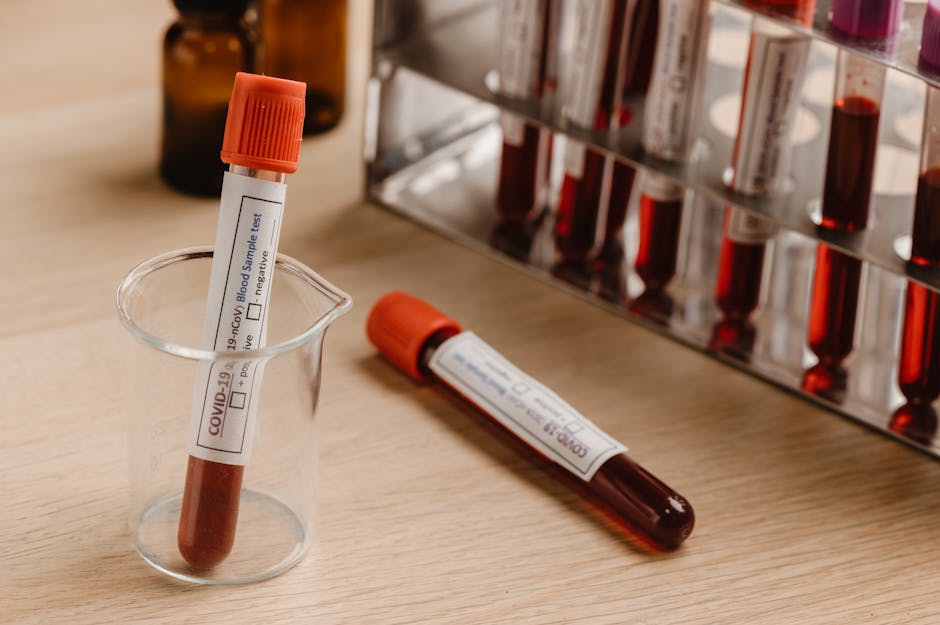
A coagulation blood test measures how well your blood clots — and it’s the single most important tool doctors use for hemostasis evaluation. Whether you’re being screened before surgery, monitored on blood thinners, or worked up for unexplained bleeding, these tests tell us whether your clotting cascade is functioning normally or broken at a specific point.
The core panel typically includes three tests: Prothrombin Time (PT), Activated Partial Thromboplastin Time (aPTT), and the International Normalized Ratio (INR). Together, they evaluate both the intrinsic and extrinsic coagulation pathways and give clinicians a reliable snapshot of clotting function in under an hour. If you’ve been ordered one of these tests and you’re wondering what the numbers mean — or what happens if they’re abnormal — this guide covers everything you need to know.
What Does a Coagulation Blood Test Actually Measure?
Your body’s clotting system involves over 13 clotting factors working in a precise sequence called the coagulation cascade. A coagulation blood test doesn’t measure all 13 individually (though that can be done separately). Instead, it checks how quickly your blood forms a clot under controlled laboratory conditions, which reveals whether entire sections of the cascade are working properly.
Here’s what each test targets:
- PT (Prothrombin Time): Evaluates the extrinsic pathway — factors I, II, V, VII, and X. This is the test most affected by warfarin and liver disease.
- aPTT (Activated Partial Thromboplastin Time): Evaluates the intrinsic pathway — factors VIII, IX, XI, XII, plus the common pathway factors. This is the go-to test for monitoring heparin therapy and screening for hemophilia.
- INR (International Normalized Ratio): A standardized version of the PT that allows results to be compared across different laboratories. Essential for warfarin dose management.
Normal Ranges for Coagulation Tests
These are the reference ranges most labs use, though slight variations exist between institutions:
| Test | Normal Range | Therapeutic Range (on anticoagulants) | What Abnormal Results Suggest |
|---|---|---|---|
| PT | 11–13.5 seconds | Varies by condition | Liver disease, vitamin K deficiency, warfarin effect, factor VII deficiency |
| aPTT | 25–35 seconds | 46–70 seconds (on heparin) | Hemophilia A or B, lupus anticoagulant, heparin effect, factor XII deficiency |
| INR | 0.8–1.1 | 2.0–3.0 (most indications); 2.5–3.5 (mechanical heart valves) | Bleeding risk if >4.0; clotting risk if subtherapeutic on warfarin |
| Thrombin Time (TT) | 14–19 seconds | N/A | Fibrinogen disorders, heparin contamination, DIC |
| Fibrinogen Level | 200–400 mg/dL | N/A | DIC if <100 mg/dL; acute phase reaction if elevated |
An INR above 4.0 is a red flag — at this level, bleeding risk climbs significantly, and most clinicians will hold warfarin and consider vitamin K administration. An INR above 9.0 without bleeding is often treated with oral vitamin K (2.5–5 mg), while active bleeding at any supratherapeutic INR may require fresh frozen plasma or prothrombin complex concentrate.
Who Needs a Coagulation Blood Test?
In clinical practice, I order coagulation panels in these situations more than any others:
- Pre-surgical screening — especially before cardiac, orthopedic, or neurosurgical procedures
- Warfarin monitoring — INR checks every 1–4 weeks, depending on stability
- Heparin monitoring — aPTT checked 6 hours after dose adjustments
- Unexplained bleeding — recurrent nosebleeds, heavy periods (menorrhagia), easy bruising, prolonged bleeding after dental work
- Suspected DIC (disseminated intravascular coagulation) — PT, aPTT, fibrinogen, D-dimer, and platelet count together
- Liver disease evaluation — the liver produces most clotting factors, so PT/INR rises with hepatic dysfunction
- Family history of hemophilia or other inherited bleeding disorders
About 1 in 10,000 males is born with hemophilia A (factor VIII deficiency), making an isolated prolonged aPTT one of the most classic findings in pediatric hematology.
How to Prepare for the Test
Preparation is minimal, but a few things matter:
- Tell your doctor about all medications — aspirin, NSAIDs, fish oil, warfarin, heparin, and direct oral anticoagulants (DOACs like apixaban and rivarelbiban) all affect results.
- Vitamin K supplements or large dietary changes (like suddenly eating a lot of leafy greens) can shift your INR if you’re on warfarin.
- Fasting is usually not required for a basic coagulation panel, though your lab or provider may give specific instructions if additional tests are bundled.
The blood draw itself takes under 5 minutes. A sample is collected from a vein in your arm into a blue-top (sodium citrate) tube — the specific tube matters because citrate preserves clotting factors for accurate testing. Results are typically available within 1–2 hours.
How to Read Your Results: A Pattern-Based Approach
Hematologists use the combination of PT and aPTT to narrow down the problem quickly:
| PT | aPTT | Most Likely Diagnosis |
|---|---|---|
| Prolonged | Normal | Factor VII deficiency, early warfarin effect, early liver disease |
| Normal | Prolonged | Hemophilia A or B, von Willebrand disease, factor XI or XII deficiency, heparin therapy, lupus anticoagulant |
| Prolonged | Prolonged | DIC, severe liver disease, vitamin K deficiency, common pathway deficiency (factors I, II, V, X), supratherapeutic warfarin |
| Normal | Normal | Platelet disorder, vascular disorder, factor XIII deficiency (not detected by PT/aPTT), mild von Willebrand disease |
This pattern-recognition approach is exactly how we teach it in medical school — and it works surprisingly well in practice. When both PT and aPTT are prolonged, the clinical urgency goes up considerably because it suggests a problem in the common pathway or a systemic process like DIC.
When to See a Doctor
Don’t wait on these symptoms — they warrant prompt coagulation testing:
- Bruises that appear without trauma or seem disproportionately large
- Bleeding that won’t stop after 10–15 minutes of direct pressure
- Blood in your urine or stool without a known cause
- Heavy menstrual periods soaking through a pad or tampon every hour
- A family member diagnosed with hemophilia, von Willebrand disease, or another clotting disorder
- You’re on warfarin and develop sudden headache, vision changes, or dark/tarry stools
If you’re on warfarin and your INR comes back above 4.5, contact your prescribing physician that same day — even if you feel fine.
Frequently Asked Questions
Can I eat before a coagulation blood test?
Yes, in most cases. A standard coagulation panel (PT, aPTT, INR) does not require fasting. However, if your doctor has ordered additional metabolic or lipid panels alongside your What Is Coagulation Tests: A Comprehensive Guide?”>Coagulation Tests: Essential Insights for Patients and…”>coagulation test, fasting for 8–12 hours may be necessary. Always confirm with your lab.
How often should INR be checked on warfarin?
When first starting warfarin, INR is typically checked every 2–3 days until stable. Once you’re consistently in range (usually 2.0–3.0), testing frequency drops to every 4 weeks. Any dose change, new medication, or significant dietary shift should trigger a recheck within 3–7 days.
What does it mean if my aPTT is prolonged but PT is normal?
This pattern points to an intrinsic pathway problem. The most clinically significant causes are hemophilia A (factor VIII deficiency), hemophilia B (factor IX deficiency), and von Willebrand disease. However, a prolonged aPTT can also be caused by lupus anticoagulant — which, confusingly, actually increases clotting risk rather than bleeding risk. Your doctor will order mixing studies and specific factor levels to sort this out.
Do coagulation tests detect all bleeding disorders?
No. Standard coagulation tests miss several important conditions. Factor XIII deficiency produces completely normal PT and aPTT despite causing severe bleeding. Platelet function disorders (like Glanzmann thrombasthenia) also won’t show up on a basic coagulation panel — you’d need a platelet function assay or aggregation study. Mild von Willebrand disease can slip through as well. If your clinical suspicion is high but the basic panel is normal, further specialized testing is essential.
Is a coagulation blood test the same as a CBC?
No. A complete blood count (CBC) measures platelet number but doesn’t test clotting function. A coagulation panel tests how well your clotting factors work together to form a clot. You can have a perfectly normal platelet count and still have hemophilia. Both tests are often ordered together because hemostasis depends on adequate platelet numbers and functional clotting factors.


