
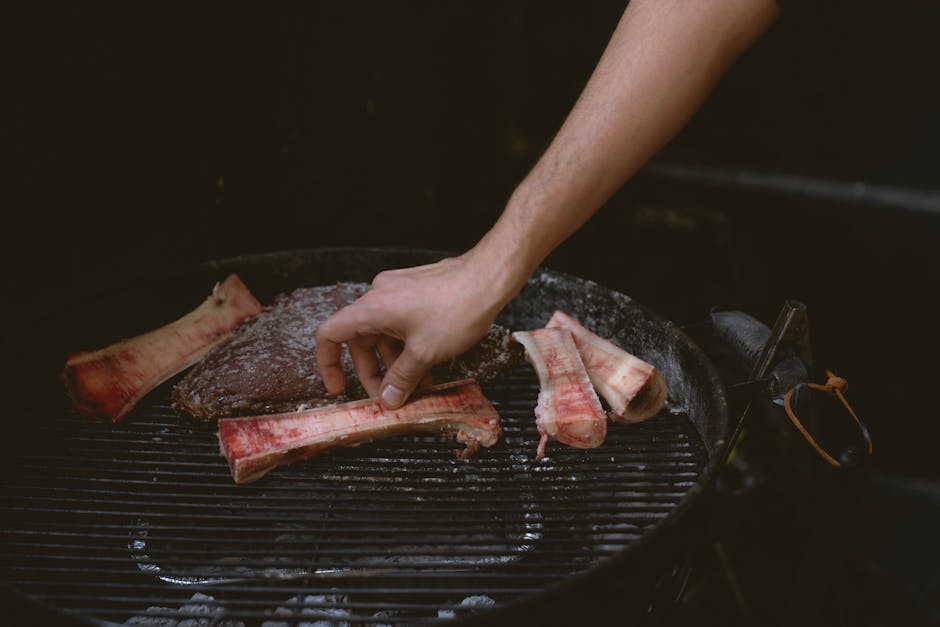
Yes, you can absolutely cook bone marrow from frozen — and when done right, the result is just as rich, buttery, and decadent as cooking from fresh. The key is proper thawing (never skip this step), roasting at 450°F (230°C) for 15–25 minutes, and knowing when the marrow has hit that perfect jiggly, golden stage without rendering it into a puddle of fat. This comprehensive guide to cooking bone marrow from frozen covers every detail you need.
Bone marrow has surged in popularity over the past decade — from Fergus Henderson’s famous roasted marrow and parsley salad at St. John in London to the bone broth craze that turned marrow into a wellness staple. But most recipes assume you’re starting with fresh, refrigerated bones. If you’ve bought frozen marrow bones (which is how most people actually find them at the butcher or grocery store), the process requires a few extra considerations to get right.
What Is Bone Marrow, Exactly?
Bone marrow is the soft, fatty tissue found inside the central cavity of large bones — primarily femur (thigh) and tibia (shin) bones in cattle. Physiologically, it’s where your body manufactures blood cells (a process called hematopoiesis). Culinarily, it’s essentially beef butter: rich, unctuous, and loaded with umami flavor.
There are two types. Red marrow is found in flat bones and is active in blood cell production. Yellow marrow — the kind you eat — is found in long bones and is primarily composed of fat cells, collagen, and connective tissue. When roasted, yellow marrow transforms into a silky, spreadable delicacy that tastes like the most concentrated, savory essence of beef you’ve ever experienced.
Step-by-Step: Cooking Bone Marrow from Frozen
Step 1: Thaw Properly (This Is Non-Negotiable)
Never roast bone marrow directly from frozen. The exterior will overcook while the center stays cold, and you’ll lose most of the marrow to rendered fat before the middle even warms up. Here are your thawing options:
- Refrigerator thaw (recommended): Place frozen marrow bones on a plate or tray and refrigerate for 24–36 hours. This is the safest method and produces the most even results.
- Cold water thaw: Seal bones in a zip-lock bag and submerge in cold water, changing the water every 30 minutes. Takes 2–4 hours depending on bone size.
- Avoid microwave thawing: Microwaves create hot spots that partially render the fat, leaving you with less marrow to enjoy.
Step 2: Soak in Salted Water
Once thawed, soak the bones in cold salted water (about 1 tablespoon of salt per quart) for 12–24 hours in the refrigerator. Change the water 2–3 times. This draws out blood and impurities, resulting in a cleaner-looking, milder-tasting final product. Skip this if you’re short on time — it’s not mandatory, but it makes a noticeable difference.
Step 3: Season and Roast
Preheat your oven to 450°F (230°C). Pat the bones dry with paper towels. Place them cut-side up on a rimmed baking sheet lined with foil or parchment (trust me, cleanup matters here). Season generously with flaky sea salt and freshly cracked black pepper.
Roast for 15–25 minutes, depending on bone diameter. You’re looking for marrow that is soft, slightly jiggly in the center, and just starting to pull away from the bone edges. If the marrow begins to liquify and pool, you’ve gone too far.
Roasting Time by Bone Size
| Bone Diameter | Cut Style | Oven Temp | Roasting Time | Visual Cue |
|---|---|---|---|---|
| 1.5–2 inches | Cross-cut (canoe) | 450°F (230°C) | 15–18 minutes | Soft, slightly bubbling |
| 2–3 inches | Cross-cut (canoe) | 450°F (230°C) | 18–22 minutes | Jiggly center, edges pulling away |
| 3+ inches | Standing pipe-cut | 450°F (230°C) | 20–25 minutes | Top golden, center yields to a knife tip |
Nutritional Profile of Bone Marrow
Bone marrow is calorie-dense — roughly 786 calories per 100 grams — so a little goes a long way. But it also delivers nutrients you won’t find concentrated in many other foods.
| Nutrient | Per 100g Serving | Notable Role |
|---|---|---|
| Total Fat | 84g | Primarily oleic acid (same as olive oil) |
| Protein | 7g | Collagen and glycine-rich |
| Iron | 4.5mg | Supports red blood cell production |
| Phosphorus | 50mg | Bone and tooth mineralization |
| Vitamin A | ~300 IU | Immune function and vision |
| Vitamin B12 | Present (varies) | Nerve function, DNA synthesis |
| Conjugated Linoleic Acid | Present (grass-fed higher) | Anti-inflammatory properties |
The fat in bone marrow is roughly 50% monounsaturated, which is the same heart-healthy fat profile found in olive oil and avocados. It also contains alkylglycerols — lipids that preliminary research suggests may support immune function, though human studies are still limited.
Food Safety: Temperatures and Handling
Bone marrow is an animal product, so standard food safety rules apply. The USDA recommends cooking beef to an internal temperature of 145°F (63°C) with a 3-minute rest. At 450°F oven temperature, your marrow will easily exceed this threshold.
A few safety rules worth following:
- Never thaw on the counter at room temperature — bacteria multiply rapidly between 40°F and 140°F (the “danger zone”).
- Use thawed marrow bones within 2–3 days of refrigerator thawing.
- Don’t re-freeze thawed marrow bones unless you cook them first.
- If bones have an off smell after thawing — sour, ammonia-like, or putrid — discard them. Fresh marrow smells mildly beefy or has almost no odor.
Serving Ideas That Actually Work
Roasted bone marrow is traditionally served with crusty sourdough toast, coarse sea salt, and a bright parsley-caper salad to cut through the richness. That acid-fat contrast is what makes it work. Here are other ways to use it:
- Stirred into risotto in the last minute of cooking for incredible depth
- Spread on grilled steak as a finishing fat (restaurant-level move)
- Whisked into pan sauces as a substitute for butter (compound bone marrow butter)
- Added to ramen or pho for a luxurious, collagen-rich broth base
- Blended into burger patties — about 2 tablespoons per pound of ground beef
Frequently Asked Questions
Can you roast bone marrow directly from frozen without thawing?
Technically you can, but the results will be poor. The outside overcooks while the center stays cold and firm. You’ll also lose significantly more marrow to rendered fat. Always thaw first — even the cold water method only takes a couple of hours.
How do you know when bone marrow is done?
Look for marrow that is soft and slightly jiggly when you nudge the bone — similar to the consistency of custard or panna cotta. It should just be starting to pull away from the bone walls. If it’s completely liquified, it’s overcooked. A knife tip inserted into the center should slide in with zero resistance.
Is eating bone marrow actually good for you?
Bone marrow is nutrient-dense and contains beneficial fats, collagen precursors, iron, and fat-soluble vitamins. However, it’s extremely calorie-dense at nearly 800 calories per 100 grams. For most people, it’s a healthy indulgence when eaten in reasonable portions — think of it as a nutrient-rich condiment, not a main course.
Where do you buy frozen bone marrow bones?
Most butcher shops sell them and will cut them to your preferred style (canoe or pipe cut) on request. Many grocery stores carry them in the frozen meat section. Online retailers like US Wellness Meats, ButcherBox, and local farm co-ops are reliable sources for grass-fed options, which tend to have a richer nutrient profile.
How long can you keep bone marrow bones in the freezer?
Properly wrapped (vacuum-sealed is ideal), frozen bone marrow bones will maintain quality for 6–12 months. After that, they’re still safe to eat but may develop freezer burn that affects flavor and texture. Double-wrap in plastic and then foil if you don’t have a vacuum sealer.
Key Takeaways
- Always thaw before roasting — refrigerator thaw for 24–36 hours gives the best results.
- Roast at 450°F for 15–25 minutes depending on bone size; watch for the jiggly, slightly golden stage.
- Soaking in salted water draws out blood and produces a cleaner, more visually appealing result.
- Bone marrow is nutritionally rich but calorie-dense — enjoy it as a flavorful accent, not a main dish.
- Follow standard food safety: thaw in the fridge, cook to at least 145°F, and use thawed bones within 2–3 days.


