
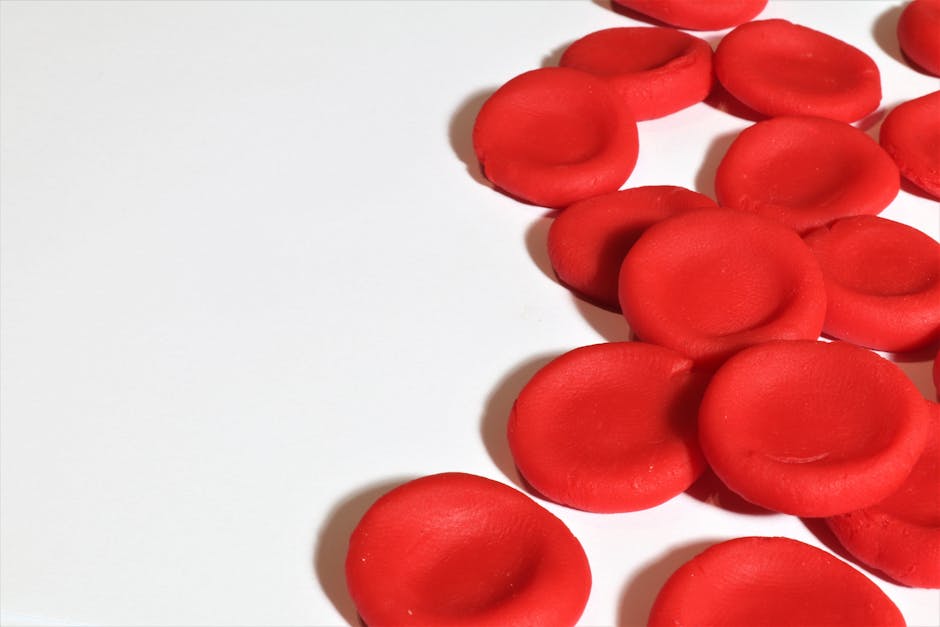
Here’s the short answer: anemia itself doesn’t make you bleed more — but the relationship between anemia and bleeding is more complicated than that. Certain types of anemia are caused by bleeding, certain anemias coexist with clotting problems, and severe anemia can impair your body’s ability to form stable clots. So while anemia isn’t a bleeding disorder, its impact on bleeding is real and clinically significant.
If you’re searching for information on anemia and its impact on bleeding, you’re likely dealing with one of two situations: either you have anemia and you’ve noticed you bruise or bleed more easily, or you’re losing blood and wondering if that’s what’s causing your anemia. Both scenarios deserve a clear explanation — and different clinical responses.
How Anemia and Bleeding Are Connected
Anemia means your blood has fewer red blood cells (RBCs) or less hemoglobin than normal. The World Health Organization defines anemia as hemoglobin below 13 g/dL in men and below 12 g/dL in non-pregnant women. By itself, that’s a problem of oxygen delivery — not clotting.
But bleeding and anemia are linked in three distinct ways:
- Bleeding causes anemia: Chronic blood loss — heavy periods, GI bleeds, surgical blood loss — is the single most common cause of iron deficiency anemia worldwide.
- Severe anemia impairs clot formation: Red blood cells play an active role in hemostasis. They push platelets toward vessel walls (a physics effect called margination) and release ADP and thromboxane A2, which activate platelets. When your hematocrit drops below roughly 30%, this process becomes less efficient.
- Some conditions cause both anemia and bleeding: Diseases like myelodysplastic syndrome, aplastic anemia, leukemia, and liver cirrhosis can simultaneously reduce red blood cells and impair platelet function or clotting factor production.
The Science: Why Low Hematocrit Affects Hemostasis
This is a point many articles miss. Red blood cells aren’t passive bystanders in clot formation. In flowing blood, RBCs occupy the center of the vessel and physically displace platelets toward the endothelial wall — exactly where they need to be to seal an injury. This is called rheological margination.
Studies have shown that when hematocrit falls below 30% (roughly corresponding to a hemoglobin of 10 g/dL), bleeding time increases measurably. One classic study demonstrated that bleeding time in uremic patients with severe anemia normalized after red cell transfusion brought hematocrit above 30%, even though their platelet dysfunction remained unchanged.
In practical terms: if you’re severely anemic, your existing platelets can’t do their job as effectively. You won’t develop a new bleeding disorder, but minor cuts may ooze longer and bruising may come more easily.
Types of Anemia Most Likely to Affect Bleeding
| Type of Anemia | Mechanism of Bleeding Impact | Bleeding Risk |
|---|---|---|
| Iron deficiency anemia (from chronic blood loss) | Bleeding is the cause, not the result; very low hematocrit may worsen ongoing bleeding | Moderate |
| Aplastic anemia | Bone marrow fails to produce adequate RBCs, platelets, and white cells | High |
| Anemia from liver disease | Reduced clotting factor synthesis + portal hypertension + possible thrombocytopenia | High |
| Anemia of chronic kidney disease | Uremic platelet dysfunction + low erythropoietin | Moderate to High |
| Megaloblastic anemia (B12/folate deficiency) | Severe cases can cause thrombocytopenia due to impaired marrow production | Low to Moderate |
| Mild iron deficiency anemia (dietary) | Minimal hemostatic impact at hematocrit above 30% | Low |
Signs That Anemia Is Affecting Your Bleeding
Most people with mild-to-moderate anemia (hemoglobin 9–12 g/dL) won’t notice any change in bleeding. The symptoms to watch for include:
- Bruising more easily than usual, especially without clear trauma
- Cuts or scrapes that take noticeably longer to stop bleeding
- Heavier menstrual periods (which may also be causing your anemia — a vicious cycle)
- Blood in stool (dark/tarry or bright red), which suggests GI bleeding as the source of anemia
- Petechiae — tiny red/purple dots on the skin — which suggest a platelet problem alongside anemia
Diagnosis: What Tests Connect the Dots
If your doctor suspects anemia is related to a bleeding problem, expect more than just a complete blood count (CBC). Here’s the typical workup:
- CBC with differential: Hemoglobin, hematocrit, MCV (red cell size), and platelet count
- Reticulocyte count: High reticulocytes suggest the marrow is responding to blood loss; low reticulocytes suggest a production problem
- Iron studies: Serum ferritin below 30 ng/mL strongly suggests iron deficiency; below 12 ng/mL is definitive
- Coagulation panel: PT/INR and aPTT to evaluate clotting factor function
- Peripheral blood smear: Can reveal fragmented red cells (schistocytes) seen in conditions like TTP/HUS that cause both anemia and bleeding
The key clinical question is always: Is the anemia causing the bleeding, or is the bleeding causing the anemia? The answer dictates the treatment.
Treatment: Breaking the Anemia-Bleeding Cycle
Treatment depends entirely on the root cause. For iron deficiency anemia from chronic blood loss, the priorities are:
- Stop the bleeding source — treat heavy periods, identify and manage GI bleeds, address surgical bleeding
- Replenish iron stores — oral iron (ferrous sulfate 325 mg daily on an empty stomach) or IV iron for severe deficiency or malabsorption
- Transfuse if critically low — most guidelines recommend transfusion when hemoglobin drops below 7 g/dL in stable patients, or below 8 g/dL in patients with cardiovascular disease or active bleeding
For anemia associated with bone marrow failure or liver disease, the bleeding risk requires managing the underlying condition — sometimes with Guide to Hematology: A Comprehensive Guide to Blood Health”>hematology/” title=”Platelet Transfusions: A Vital Component in Hematology”>platelet transfusions, desmopressin (DDAVP), or clotting factor replacement.
When to See a Doctor
Go to the ER if you have anemia and develop any of these: blood in your stool or vomit, chest pain, heart racing at rest, lightheadedness when standing, or heavy bleeding you can’t control.
Schedule an appointment soon if you notice increasing fatigue, new or worsening bruising, heavier periods, or if a previous CBC showed hemoglobin trending downward. Ask specifically for iron studies and a reticulocyte count — these are sometimes skipped on routine labs but are essential for identifying the cause.
Frequently Asked Questions
Does anemia make you bleed more during surgery?
Severe anemia (hematocrit below 30%) can impair clot stability during surgery because red blood cells help platelets reach the vessel wall. Most surgeons want hemoglobin above 8–10 g/dL before elective procedures. If yours is lower, expect your surgical team to discuss preoperative transfusion or IV iron.
Can iron deficiency itself cause bleeding problems?
Iron deficiency occasionally causes a secondary increase in platelet count (reactive thrombocytosis), which paradoxically can be associated with both clotting and, less commonly, bleeding — especially at very high platelet counts above 1,000,000/μL. Severe iron deficiency has also been linked to acquired von Willebrand syndrome in rare cases.
Why do I bruise easily when I’m anemic?
Easy bruising in anemia usually signals one of two things: your platelet count is also low (check your CBC), or the underlying cause of your anemia — such as liver disease or a nutritional deficiency affecting marrow function — is independently impairing hemostasis. Mild anemia alone rarely causes noticeable bruising.
Does heavy menstrual bleeding always cause anemia?
Not always, but frequently. Menstrual blood loss exceeding 80 mL per cycle is considered heavy menstrual bleeding (menorrhagia) and is the most common cause of iron deficiency anemia in premenopausal women. If you soak through a pad or tampon every hour for several hours, that warrants evaluation — both for the bleeding itself and for anemia.
Can treating anemia stop my bleeding?
Raising your hematocrit with transfusion or erythropoietin-stimulating agents can improve hemostasis by restoring normal red cell margination. This has been well-documented in chronic kidney disease patients, where correcting anemia to a hematocrit above 30% significantly reduces bleeding time. However, if the bleeding has a separate cause (like a GI ulcer or a clotting factor deficiency), treating the anemia alone won’t stop it.


