
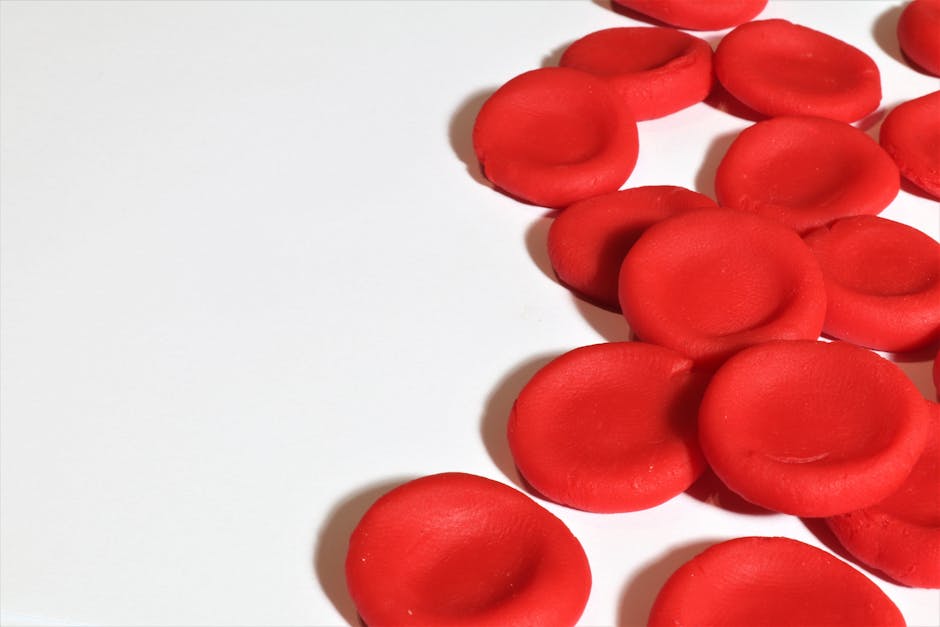
anemia-a-comprehensive-guide-for-medical-professionals/” title=”Understanding Anemia: A Comprehensive Guide for Medical Prof”>Anemia in toddlers is a prevalent condition that many healthcare providers, including myself, encounter frequently in clinical practice. This condition is characterized by a deficiency of red blood cells or hemoglobin, which impairs the oxygen-carrying capacity of blood. It is crucial for healthcare professionals and caregivers to recognize the signs of anemia early as it can significantly affect a child’s growth and development.
What Is Anemia in Toddlers?
Anemia in toddlers is defined as a lower than normal level of hemoglobin in the blood. Hemoglobin is the protein in red blood cells responsible for transporting oxygen throughout the body. This condition is more common in toddlers due to rapid growth phases that increase their demand for nutrients, including iron. It’s estimated that worldwide, nearly 40% of children under the age of five are anemic.
Who Does It Affect?
The condition primarily affects children between the ages of six months and three years, a critical period for both physical and cognitive development. Anemia can occur in any child, but it is more prevalent in populations with limited access to iron-rich foods or those with dietary restrictions.
Symptoms of Anemia in Toddlers
The symptoms of anemia can vary but often include fatigue, pale skin, and irritability. In my experience, parents might first notice a lack of energy in their child or a diminished interest in play. Other symptoms can include poor appetite, developmental delays, and quicker-than-normal breathing.
When to See a Doctor
If you observe any of these symptoms in your toddler, it’s advisable to consult a healthcare provider. Particularly if there is persistent fatigue and pallor, further assessment might be necessary to determine hemoglobin levels and underlying causes.
Causes and Risk Factors
The primary cause of anemia in toddlers is iron deficiency, often due to inadequate dietary intake. However, other causes may include chronic infections, lead exposure, or genetic conditions like thalassemia. Risk factors encompass not only inadequate nutrition but also preexisting health conditions and maternal anemia during pregnancy.
Modifiable and Non-Modifiable Risks
Modifiable risks include addressing dietary habits, ensuring a balanced intake of iron-rich foods such as red meats, beans, and fortified cereals. Non-modifiable risks can comprise genetic predispositions or environmental factors less easily altered.
Diagnosis of Anemia in Toddlers
Diagnosis typically involves a complete blood count (CBC) test to measure hemoglobin levels. If anemia is confirmed, further tests such as serum ferritin or a reticulocyte count might be performed to ascertain cause. It’s essential to distinguish between iron-deficiency anemia and other types, as treatment approaches differ.
Differential Diagnosis
The differential diagnosis includes differentiating iron-deficiency anemia from potential causes like vitamin B12 deficiency or chronic disease anemia. Each requires distinct management strategies, highlighting the importance of accurate diagnosis.
Treatment Options
Treatment depends on the underlying cause and severity of anemia. Iron supplementation is often effective and is the mainstay for iron-deficiency anemia. In some cases, dietary changes may be sufficient, emphasizing the integration of iron-rich foods into the toddler’s diet.
Lifestyle Changes
Introducing diversified diets, ensuring adequate vitamin intake (especially vitamin C which enhances iron absorption), and regular monitoring are integral lifestyle modifications recommended for managing and preventing anemia.
Complications of Untreated Anemia
If anemia remains untreated, it can lead to severe developmental delays, behavioral issues, and growth retardation. More serious complications can include heart problems due to the heart working harder to deliver oxygen.
Prevention of Anemia in Toddlers
Preventive measures are primarily focused on adequate nutrition and regular health checks. Encouraging breastfeeding, when possible, as breast milk contains highly absorbable iron, and timely introduction of iron-rich complementary foods can significantly reduce the risk of anemia.
Screening and Risk Reduction
Regular screenings, especially for at-risk populations, can facilitate early detection. Health education for caregivers about the importance of balanced nutrition also plays a critical role in prevention.
Key Takeaways
Toddlers are especially vulnerable to anemia due to their unique nutritional needs during growth spurts. Recognizing symptoms early, understanding potential causes, and seeking timely medical evaluation can significantly mitigate risks. Prevention, through adequate nutrition and awareness, is pivotal. As always, consulting with a healthcare provider to tailor advice to individual needs is highly recommended. By addressing anemia in toddlers promptly, we ensure a healthier start for our youngest patients, paving the way for optimal growth and development.


