
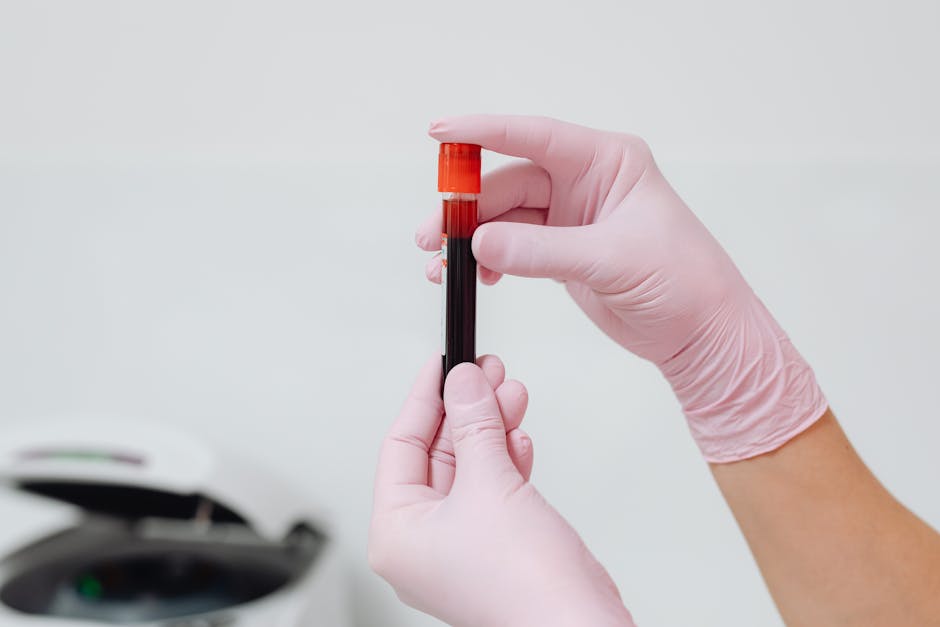
As a medical professional with a focus on haematology, I am acutely aware of the intricate processes that underpin our circulatory system. One such crucial aspect is the function of coagulation factors. These proteins are essential in maintaining hemostasis, the body’s process of stopping bleeding. Understanding the roles these factors play not only aids in diagnosing and managing bleeding disorders but also provides insights into potential therapeutic targets.
What Are Coagulation Factors?
Coagulation factors are proteins found in the blood plasma that help to control bleeding, predominantly by helping clots to form. They operate through a highly regulated cascade known as the coagulation cascade. This cascade is typically divided into the intrinsic, extrinsic, and common pathways, which converge to form a stable blood clot. Each coagulation factor is designated by a Roman numeral, and these factors work in concert to ensure that minor cuts do not lead to significant blood loss.
Causes and Risk Factors for Coagulation Disorders
Disorders involving coagulation factors can stem from various causes. They can be congenital, such as hemophilia, or acquired, possibly through liver disease, vitamin K deficiency, or the presence of inhibitors that block factor activity. Risk factors for these conditions can include genetic predisposition, certain medications, or underlying health conditions that affect liver function.
Signs and Symptoms
Clinical presentations of coagulation factor deficiencies can vary broadly but often include prolonged bleeding after injuries or surgery, spontaneous bleeding episodes, or excessive bruising. Hemophilia, characterized by a deficiency in Factor VIII or IX, is a well-known example where such symptoms are prominently observed.
Diagnosis: Identifying Coagulation Factor Deficiencies
Diagnosing coagulation factor deficiencies requires a structured approach. Initial screening typically involves clotting time tests such as the prothrombin time (PT) and activated partial thromboplastin time (aPTT). These tests can help identify which pathway is affected. Specific factor assays can then be performed to determine the precise deficiency. Genetic testing may also be employed, particularly in hereditary conditions.
Treatment and Management Strategies
Management of coagulation factor deficiencies often involves replacement therapy. For example, individuals with hemophilia might receive purified factor concentrates to manage bleeding episodes or as prophylaxis. In acquired conditions, like vitamin K deficiency, treatment could involve dietary supplementation or vitamin K injections. Recent advancements involve gene therapy and recombinant factors, offering hope for sustained treatment solutions.
Recent Developments in Coagulation Factor Research
Recent studies are exploring the implementation of gene-editing technologies, such as CRISPR, to provide long-term solutions for hereditary bleeding disorders. Additionally, novel oral anticoagulants are being developed to manage more common disorders, like venous thromboembolism, with fewer side effects than traditional agents like warfarin. The area of pharmacogenomics is also emerging, with researchers investigating how genetic variations can influence response to anticoagulant drugs.
Key Takeaways
- Coagulation factors play a pivotal role in the hemostatic process and any imbalance or deficiency can lead to serious bleeding disorders.
- Diagnosis involves a combination of clotting tests and specific factor assays, with genetic testing valuable for hereditary conditions.
- Treatment solutions are evolving, including factor replacement, gene therapy, and novel anticoagulants, offering better management strategies.
In conclusion, understanding coagulation factors deepens our comprehension of hemostasis and bleeding disorders, ultimately allowing us to develop more effective treatment strategies. As research progresses, these innovations hold the potential to transform patient care significantly, promising a new frontier in the management of Coagulation Disorders: Causes, Diagnosis, and Treatment”>coagulation disorders.


