
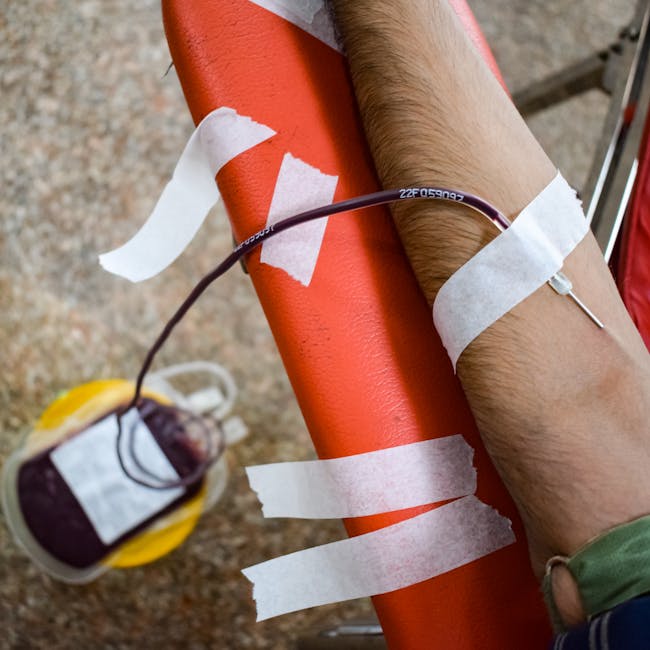
In my practice, I often encounter questions about the critical functions of various blood components, particularly about red blood cells (RBCs). Many patients and their caregivers want to know what the job of red blood cells is. An in-depth understanding of RBCs is fundamental, not only for medical students and professionals but also for patients who may be dealing with blood-related health issues.
What Are Red Blood Cells?
Red blood cells, also known as erythrocytes, are the most abundant type of cell in the human blood, making up about 40-45% of its volume. These cells are crucial for transporting oxygen from the lungs to the rest of the body and carbon dioxide back to the lungs for exhalation. This remarkable function is possible due to the presence of a protein called hemoglobin, which binds oxygen molecules.
RBCs have a unique, biconcave disc shape, which increases their surface area and flexibility, allowing them to navigate through the tiny capillaries. They have a lifespan of about 120 days, after which they are typically broken down and recycled by the spleen and liver.
The Primary Job of Red Blood Cells
The primary role of red blood cells is oxygen transportation, which is critical for cellular metabolism. Oxygen is essential for the biochemical processes that produce energy within cells. Without efficient oxygen delivery by RBCs, organs and tissues cannot function properly.
Another vital job of red blood cells is to assist in carbon dioxide transport, a waste product of metabolism, from the tissues back to the lungs. Here, it is expelled from the body when you exhale.
Oxygen Transport
Hemoglobin in red blood cells binds oxygen in the lungs, where oxygen concentration is high, and releases it in tissues, where the concentration is low. This process is governed by factors such as pH, carbon dioxide concentration, and the presence of other substances that influence hemoglobin’s affinity for oxygen.
Carbon Dioxide Transport
RBCs also facilitate carbon dioxide removal through hemoglobin. They carry approximately 10-20% of carbon dioxide in the blood in a bound form. The majority of carbon dioxide is transported in the plasma as bicarbonate ions, a conversion process that involves RBCs.
Formation and Life Cycle of Red Blood Cells
The formation of red blood cells, known as erythropoiesis, occurs primarily in the bone marrow under the regulation of the hormone erythropoietin. This hormone is produced by the kidneys in response to low oxygen levels in the blood.
During their lifespan, RBCs are exposed to various mechanical and oxidative stresses. As they age, their membranes and hemoglobin may undergo changes, leading to decreased function and eventual recognition and clearance by the spleen and liver.
What Happens When Red Blood Cells Are Not Functioning Properly?
When red blood cells are deficient or dysfunctional, it can lead to conditions such as anemia or polycythemia. Anemia leads to reduced oxygen transport capacity, causing fatigue, weakness, and shortness of breath, while polycythemia can result in increased blood viscosity and consequent complications like blood clots.
Anemia: A Common Red Blood Cell Disorder
Anemia is typically characterized by a decreased number of red blood cells or hemoglobin, often due to factors like nutritional deficiencies, chronic diseases, or bone marrow disorders. Various tests, like complete blood count (CBC) and reticulocyte count, are utilized to diagnose these conditions.
Polycythemia: Too Many Red Blood Cells
Conversely, polycythemia involves having too many red blood cells, which can be primary (due to bone marrow overproduction) or secondary (often due to low oxygen levels with conditions like chronic lung disease). This condition requires medical monitoring to prevent complications such as cardiovascular events.
How Other Factors Affect Red Blood Cells
Various environmental and lifestyle factors can impact the function of red blood cells. For instance, smoking and high altitude can stimulate erythropoietin production, increasing RBC counts. Moreover, genetic factors such as sickle cell disease or thalassemia can affect RBC production and function, leading to various clinical manifestations.
Nutrition also plays a crucial role, as deficiencies in vitamin B12, folate, and iron can adversely affect erythropoiesis, leading to specific types of anemia.
Consultation with Healthcare Providers
For those suspecting red blood cell dysfunction due to symptoms or as part of a routine check-up, it’s essential to consult healthcare providers for a thorough evaluation. This typically involves blood tests and potentially more detailed investigations to clarify the underlying cause and tailor treatment appropriately.
Conclusion: The Vital Role of Red Blood Cells
Understanding what the job of red blood cells entails highlights their indispensable role in maintaining overall health. These cells are a cornerstone of the circulatory and respiratory systems, ensuring that oxygen reaches vital organs and that carbon dioxide is expelled efficiently. Maintaining healthy red blood cell function is crucial for preventing diseases and sustaining life. If you have concerns regarding your red blood cell health, it’s always advisable to consult with a healthcare professional for personalized advice and treatment.


