
The Platelet Levels: What Your Count Really Means”>normal platelet level range for adults is 150,000 to 450,000 platelets per microliter (µL) of blood. If your CBC report shows a number within that window, your platelet count is considered normal. A count below 150,000 is called thrombocytopenia (low platelets), and a count above 450,000 is called thrombocytosis (high platelets).
But here’s the thing — a single abnormal result doesn’t always mean something is wrong. Platelet counts fluctuate throughout the day, shift during pregnancy, and can temporarily spike after exercise or infection. What matters more than one number is the trend over time and whether you have symptoms. Let’s break down exactly what different platelet levels mean and when you should actually worry.
Platelet Level Range: Quick Reference Table
| Platelet Count (per µL) | Classification | Clinical Significance |
|---|---|---|
| Above 1,000,000 | Extreme thrombocytosis | High risk of clotting OR bleeding; urgent workup needed |
| 450,001–1,000,000 | Thrombocytosis | Often reactive (infection, inflammation); sometimes a bone marrow disorder |
| 150,000–450,000 | Normal | No intervention needed |
| 100,000–149,000 | Mild thrombocytopenia | Usually monitored; rarely causes bleeding |
| 50,000–99,000 | Moderate thrombocytopenia | Increased bruising risk; surgery may need precautions |
| 20,000–49,000 | Severe thrombocytopenia | Spontaneous bruising likely; bleeding risk with minor trauma |
| Below 20,000 | Critical thrombocytopenia | Risk of spontaneous internal bleeding; may require transfusion |
What Do Low Platelet Levels Actually Mean?
A platelet count below 150,000/µL qualifies as thrombocytopenia. Mild cases (100,000–149,000) are extremely common and often found incidentally on routine bloodwork. In many cases, repeating the test a few weeks later shows a normal count — the original dip was just a lab artifact or a transient response to a viral illness.
When counts drop below 50,000, bleeding risk becomes clinically significant. You might notice petechiae — tiny red or purple dots on the skin, especially on the lower legs — easy bruising, bleeding gums, or prolonged bleeding from cuts. Below 20,000, the situation becomes urgent because spontaneous bleeding into the brain or GI tract is possible, though still uncommon.
Common Causes of Low Platelets
- Immune thrombocytopenia (ITP): The immune system attacks platelets. Most common cause of isolated low platelets in otherwise healthy adults.
- Viral infections: HIV, hepatitis C, EBV, and even common colds can temporarily suppress platelet production.
- Medications: Heparin, certain antibiotics (sulfonamides, vancomycin), and chemotherapy drugs are frequent culprits.
- Liver disease: The liver produces thrombopoietin, the hormone that drives platelet production. Cirrhosis also causes splenic sequestration, trapping platelets in an enlarged spleen.
- Bone marrow disorders: Aplastic anemia, myelodysplastic syndromes, and leukemia can all reduce platelet output.
- Pregnancy: Gestational thrombocytopenia affects roughly 5–8% of pregnancies and is usually benign.
- Nutritional deficiencies: Severe B12 or folate deficiency impairs platelet production in the marrow.
What Do High Platelet Levels Mean?
A count above 450,000/µL is thrombocytosis. About 85–90% of cases are reactive thrombocytosis — meaning the elevated count is a response to something else going on in the body, not a primary bone marrow problem. The platelet count typically normalizes once the underlying trigger resolves.
Common Triggers for Reactive (Secondary) Thrombocytosis
- Iron deficiency anemia (one of the most common and most overlooked causes)
- Active infection or sepsis
- Chronic inflammatory conditions (rheumatoid arthritis, IBD, vasculitis)
- Recent surgery, trauma, or major tissue damage
- Post-splenectomy (the spleen normally stores about one-third of your platelets)
The remaining 10–15% of cases involve primary thrombocytosis, driven by a bone marrow disorder — most commonly essential thrombocythemia (ET) or another myeloproliferative neoplasm. These conditions carry a real risk of blood clots (stroke, deep vein thrombosis, heart attack) and paradoxically, bleeding when counts exceed 1,000,000/µL. A JAK2 V617F mutation test is positive in about 50–60% of ET patients and helps confirm the diagnosis.
How Platelet Levels Are Tested
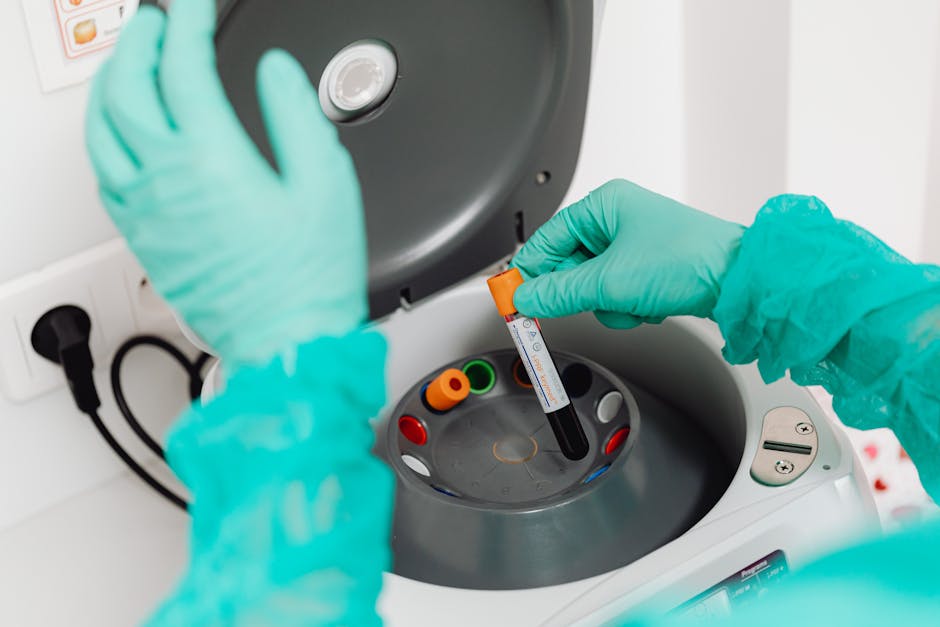
Platelet count is measured as part of a standard complete blood count (CBC) — the most commonly ordered blood test in medicine. No fasting or special preparation is required. Results are typically available within hours.
If your count is abnormal, your doctor may order additional tests:
- Peripheral blood smear: A technician examines your blood under a microscope to check platelet size, shape, and clumping (which can cause falsely low counts).
- Reticulocyte count and iron studies: To evaluate for iron deficiency or hemolysis as underlying causes.
- Liver and kidney function tests: To rule out organ dysfunction affecting platelet levels.
- Bone marrow biopsy: Reserved for cases where a primary marrow disorder is suspected — not a routine first step.
- Genetic/molecular testing: JAK2, CALR, and MPL mutations for suspected myeloproliferative neoplasms.
Treatment: What Happens If Your Platelet Level Is Abnormal?
For Low Platelets
Treatment depends entirely on the cause and severity. Mild thrombocytopenia from a viral infection usually resolves on its own within weeks. ITP may be treated with corticosteroids (prednisone), IVIG, or rituximab. For critically low counts (below 10,000–20,000), hematology/” title=”Platelet Transfusions: A Vital Component in Hematology”>platelet transfusions may be necessary to prevent life-threatening bleeding.
Medication-induced thrombocytopenia is managed by stopping the offending drug — platelet counts typically recover within 5–7 days. Heparin-induced thrombocytopenia (HIT) is a special case that requires immediate heparin discontinuation and alternative anticoagulation because it paradoxically causes clotting, not bleeding.
For High Platelets
Reactive thrombocytosis rarely needs platelet-specific treatment — treating the underlying condition (correcting iron deficiency, treating infection, managing inflammation) brings the count down. For essential thrombocythemia, treatment may include low-dose aspirin, hydroxyurea, or anagrelide to reduce clotting risk.
When to See a Doctor
Get your platelet count checked — or re-checked — if you notice:
- Unexplained bruising or bruises that seem disproportionate to the injury
- Petechiae (pinpoint red spots that don’t blanch when you press on them)
- Prolonged bleeding from cuts, nosebleeds, or heavy menstrual periods
- Blood in your urine or stool
- Symptoms of a blood clot: sudden leg swelling, chest pain, or neurological changes
If your CBC shows a platelet count below 100,000 or above 500,000 on repeat testing, a hematology referral is reasonable — especially if the cause isn’t immediately obvious.
Frequently Asked Questions
Can stress affect your platelet level range?
Yes, acute physical or emotional stress can temporarily raise platelet counts through catecholamine-mediated splenic contraction, which releases stored platelets into circulation. This effect is usually mild and transient — it won’t push a normal count into a dangerous range.
What platelet count is considered dangerously low?
Most hematologists consider a count below 20,000/µL dangerous because the risk of spontaneous bleeding — including intracranial hemorrhage — increases substantially. Below 10,000/µL is a medical emergency. However, some patients with chronic ITP tolerate counts of 20,000–30,000 without significant bleeding.
Do platelet levels change with age?
Slightly. Newborns have a similar reference range to adults (150,000–450,000/µL), but platelet counts tend to decrease modestly with age. Some studies show that healthy adults over 65 average slightly lower counts than younger adults, though most remain well within the normal range.
Can food raise your platelet count?
No specific food will meaningfully raise platelet counts if the underlying cause is a bone marrow problem or immune destruction. However, correcting a nutritional deficiency — particularly iron, B12, or folate — can restore normal platelet production if deficiency was the cause. Claims about papaya leaf extract boosting platelets have limited clinical evidence and should not replace medical treatment.
Is a platelet count of 130,000 something to worry about?
A count of 130,000/µL is mildly below the standard range but is very common and often clinically insignificant — particularly in pregnant women or people recently recovering from a viral illness. Your doctor will likely recheck it in 4–6 weeks. If it stays stable and you have no bleeding symptoms, ongoing monitoring may be all that’s needed.


