
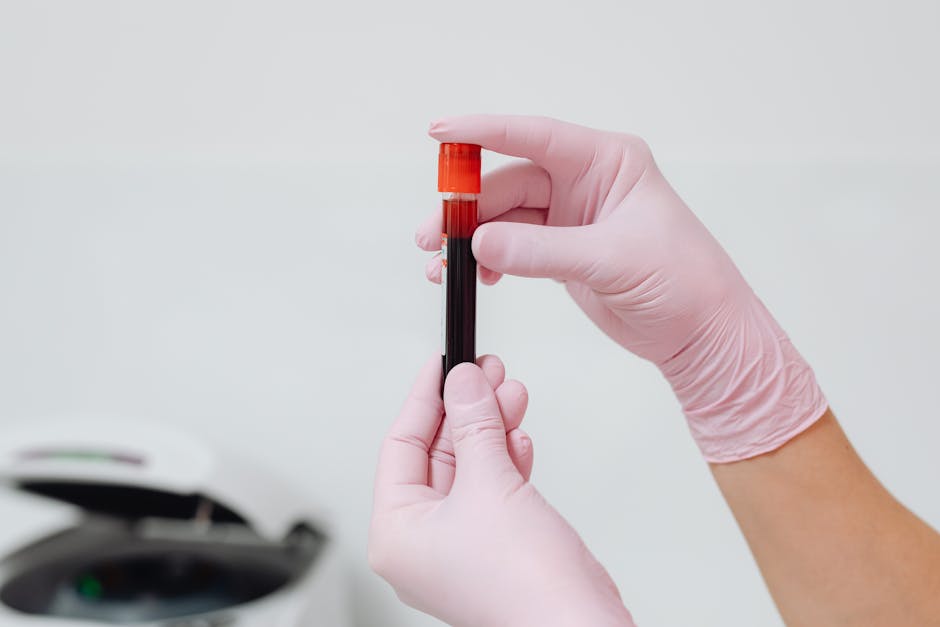
In my practice, I often encounter patients and medical students curious about Guide to Hematology: A Comprehensive Guide to Blood Health”>hematology tests—vital diagnostic tools that play a crucial role in understanding and managing numerous blood-related conditions. These tests help evaluate blood health, diagnose diseases, and monitor therapeutic effectiveness, contributing to personalized patient care. This article aims to demystify what these tests entail, who needs them, how they’re conducted, and their significance in clinical practice.
What Are Hematology Tests?
Hematology tests encompass a wide range of diagnostic procedures aimed at evaluating the components and functions of blood. These tests can include simple blood counts, such as a complete blood count (CBC), to more complex investigations like coagulation profiles and bone marrow biopsies. Hematologists use these tests to diagnose, manage, and treat conditions such as anemia, clotting disorders, leukemia, and infections.
Who Needs Hematology Tests?
Hematology tests are indicated for anyone with symptoms suggestive of blood disorders, such as unexplained fatigue, unusual bruising, or susceptibility to infections. These tests are routinely recommended for patients undergoing surgery, those with a family history of blood disorders, and individuals on medications that affect blood cell production or function.
Indications for Hematology Testing
- Symptoms like fatigue, pallor, or prolonged bleeding
- Routine health screenings and annual check-ups
- Monitoring of chronic conditions, such as diabetes or kidney disease
- Pre-operative assessments and chemotherapy monitoring
How to Prepare for Hematology Tests
Preparing for hematology tests is generally straightforward. Patients may be instructed to fast, especially if lipid levels are also being assessed. They should inform their healthcare provider of all medications or supplements they are taking, as some can influence test results. Timing the test appropriately is crucial if the test requires fasting or if diurnal variations in blood components are a consideration.
What Happens During Hematology Tests
Hematology tests usually involve the collection of a blood sample from a vein, typically in the arm. This process takes only a few minutes, and patients might experience brief discomfort when the needle is inserted. Depending on the test, additional samples might be necessary, such as a bone marrow sample, which requires more specialized procedures.
Recovery and Aftercare
For most hematology tests, no significant recovery period is needed. Patients can resume normal activities immediately after the blood draw. In cases where more invasive procedures like bone marrow biopsies are conducted, there might be specific aftercare instructions, including avoiding strenuous activity for a short period.
Risks and Complications
Hematology tests are generally safe with minimal risks. The most common complication is bruising or slight pain at the puncture site. For more invasive tests, there might be a small risk of infection or bleeding. Patients concerned about pain or adverse reactions should discuss these with their healthcare provider before the procedure.
Understanding Hematology Test Results
Interpreting hematology test results requires professional expertise. Test outcomes are compared against standard reference ranges, which might differ based on age, sex, and medical history. Significant deviations from these ranges may require further investigation and could necessitate adjustments in treatment plans. In my clinical practice, discussing these results with patients focuses on providing clear explanations and reassurance.
Key Takeaways
Hematology tests are essential tools in modern medicine, offering insights into blood health and assisting in diagnosing a myriad of conditions. Understanding what hematology tests involve, who should undergo them, and how to interpret the results can greatly enhance both clinical practice and patient care. Always seek the guidance of a healthcare provider for the interpretation of test results and any decisions related to treatment and management.
In conclusion, hematology tests serve as a cornerstone in the assessment and management of blood-related conditions. Whether it’s for routine screening or diagnostic insight, these tests provide invaluable data that inform clinical decision-making. Always consult with your healthcare provider to understand the implications of your test results and plan appropriate next steps in your health journey.


