
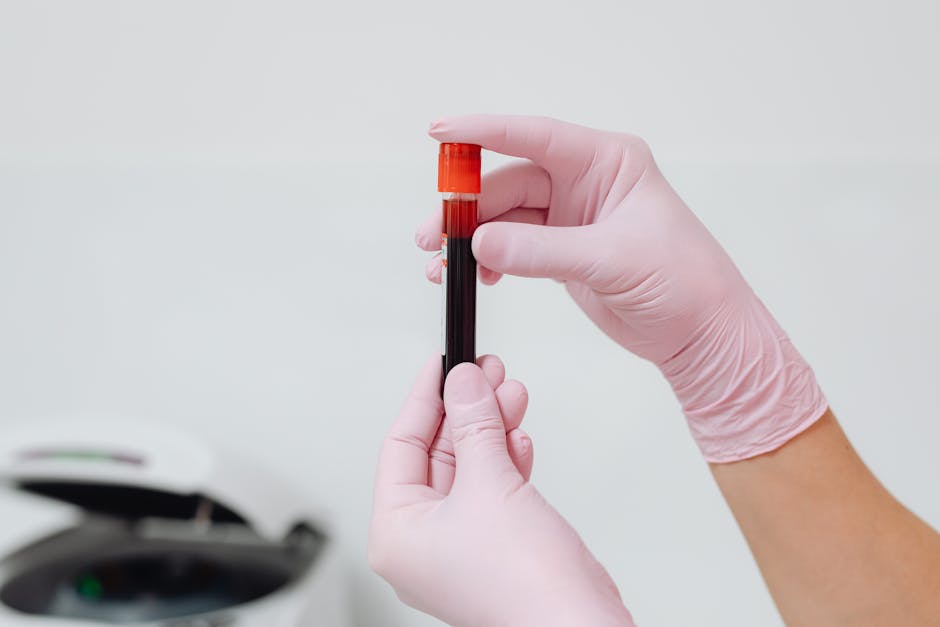
A CBC with platelets and automated differential is the single most ordered blood test in medicine — and for good reason. This one tube of blood gives clinicians a detailed snapshot of your red blood cells, white blood cells, platelets, and hemoglobin, while the automated differential breaks your white blood cells into five distinct subtypes. From a clinical perspective, no other test delivers this much diagnostic information for roughly $10–$30.
If you’re trying to understand your CBC results, you’re in the right place. Below, I’ll walk through exactly what each component measures, what the normal ranges are, how automated differentiation works at the instrument level, and — most critically — what abnormal values actually mean for your health.
What Does a CBC with Platelets and Automated Differential Measure?
The test evaluates three major cell lines produced by your bone marrow, plus several calculated indices. The automated differential is the part that classifies white blood cells into neutrophils, lymphocytes, monocytes, eosinophils, and basophils — each telling a different clinical story.
Modern Guide to Hematology: A Comprehensive Guide to Blood Health”>hematology analyzers (instruments like the Sysmex XN-series or Beckman Coulter DxH) use a combination of laser flow cytometry, fluorescent staining, and electrical impedance to count and categorize tens of thousands of cells per sample in under 60 seconds. This is far more reproducible than the old manual 100-cell differential performed under a microscope, though manual review is still triggered when the analyzer flags abnormal cells.
Normal CBC Ranges: Quick Reference Table
| Parameter | Normal Range (Adults) | What It Reflects |
|---|---|---|
| WBC | 4,500–11,000 /µL | Total white blood cell count; immune activity |
| Neutrophils | 40–70% (1,800–7,700 /µL) | Bacterial infection, inflammation |
| Lymphocytes | 20–40% (1,000–4,800 /µL) | Viral infection, immune surveillance |
| Monocytes | 2–8% (200–800 /µL) | Chronic inflammation, tissue repair |
| Eosinophils | 1–4% (100–500 /µL) | Allergic response, parasitic infection |
| Basophils | 0–1% (0–200 /µL) | Allergic reactions, myeloproliferative disorders |
| RBC | 4.2–5.9 million /µL (males); 3.5–5.5 (females) | Oxygen-carrying capacity |
| Hemoglobin | 13.5–17.5 g/dL (males); 12.0–16.0 (females) | Anemia or polycythemia detection |
| Hematocrit | 38.3–48.6% (males); 35.5–44.9% (females) | Proportion of blood volume that is RBCs |
| Platelets | 150,000–400,000 /µL | Clotting ability; bone marrow function |
| MCV | 80–100 fL | Red cell size — helps classify anemia type |
| MPV | 7.5–11.5 fL | Platelet size; hints at production rate |
Automated vs. Manual Differential: What’s the Difference?
An automated differential counts approximately 10,000 white blood cells per sample, making it statistically superior to a manual differential, which typically classifies just 100 cells. The coefficient of variation for automated neutrophil counts is around 3%, compared to 10–15% for manual counts.
However, automated analyzers have a known limitation: they cannot reliably identify blast cells (immature malignant cells), atypical lymphocytes, or nucleated red blood cells in every case. When the instrument detects something unusual — such as cell clusters that don’t fit normal scatter patterns — it generates a flag that prompts a pathologist or medical technologist to perform a manual peripheral blood smear review.
In practice, about 15–25% of CBC samples in a hospital lab get flagged for manual review. Outpatient samples from healthy individuals are flagged far less often — typically under 10%.
What Abnormal Platelet Counts Mean Clinically
Thrombocytopenia (Platelets Below 150,000 /µL)
- Mild (100,000–150,000): Often incidental and clinically insignificant. Common causes include medications, mild viral illness, or early liver disease.
- Moderate (50,000–100,000): Warrants investigation. Consider immune thrombocytopenia (ITP), B12/folate deficiency, or hypersplenism.
- Severe (below 50,000): Increased bleeding risk. Spontaneous mucosal bleeding can occur below 20,000. Below 10,000, the risk of life-threatening intracranial hemorrhage rises significantly, and platelet transfusion is generally indicated.
Thrombocytosis (Platelets Above 400,000 /µL)
Reactive thrombocytosis — driven by infection, iron deficiency, inflammation, or surgery — accounts for roughly 85–90% of elevated platelet counts. These rarely exceed 1,000,000 /µL and typically resolve when the underlying cause is treated.
Primary (clonal) thrombocytosis, such as essential thrombocythemia or other myeloproliferative neoplasms, is far less common but carries real thrombotic risk. A persistently elevated platelet count above 450,000 without an obvious reactive cause should prompt JAK2 mutation testing and hematology referral.
Reading the White Blood Cell Differential: Pattern Recognition
The differential isn’t just a list of percentages — it’s a pattern. Here’s how clinicians use it:
- Neutrophilia + left shift (bands >5%): Think bacterial infection, especially if accompanied by fever and elevated CRP.
- Lymphocytosis: Viral infection (EBV, CMV, hepatitis) in younger patients; consider chronic lymphocytic leukemia (CLL) in adults over 60 with lymphocyte counts persistently above 5,000 /µL.
- Eosinophilia >500 /µL: Allergic disease, drug reaction, or parasitic infection. Counts above 1,500 sustained for months raise concern for hypereosinophilic syndrome.
- Neutropenia (ANC below 1,500): Drug-induced causes are most common. An ANC below 500 constitutes severe neutropenia with high infection risk — treat fever as a medical emergency.
- Pancytopenia (all three lines low): Red flag for bone marrow failure, aplastic anemia, myelodysplastic syndrome, or marrow-infiltrating malignancy. Needs urgent workup.
Who Needs This Test and How Often?
Almost everyone will have a CBC at some point. It’s a standard part of annual physicals, pre-surgical evaluations, and emergency department workups. Specific populations who need regular CBCs include:
- Patients on chemotherapy (often weekly or before each cycle)
- People taking methotrexate, carbamazepine, clozapine, or other drugs known to suppress bone marrow
- Patients with chronic kidney disease (monitoring for anemia of CKD)
- Individuals with known myeloproliferative neoplasms or MDS
- Pregnant women (at least once per trimester)
Preparation, Procedure, and What to Expect
No fasting is required for a CBC with automated differential. The draw takes about 2 minutes — a single lavender-top (EDTA) tube. Results are typically available within 1–4 hours in a hospital lab, or by the next business day at outpatient facilities.
One practical tip: if your platelet count comes back unexpectedly low, ask your doctor about pseudothrombocytopenia. This lab artifact — caused by EDTA-dependent platelet clumping — occurs in about 0.1% of the population and can make platelets appear falsely low. A citrate tube redraw resolves it.
When to See a Doctor About Your CBC Results
Don’t panic over a single mildly abnormal value. Mild deviations are common and often meaningless in isolation. That said, seek prompt medical evaluation if your results show:
- Platelets below 50,000 or above 1,000,000 /µL
- WBC above 30,000 /µL or below 2,000 /µL
- Hemoglobin below 7 g/dL (or any level causing symptoms like chest pain or syncope)
- Blasts or atypical cells noted on the differential
- Pancytopenia (low RBCs, WBCs, and platelets simultaneously)
Frequently Asked Questions
Is a CBC with automated differential the same as a CBC with manual differential?
Not exactly. The automated version uses a machine to classify WBC subtypes by analyzing thousands of cells, while a manual differential involves a lab technologist examining 100 cells under a microscope. Automated differentials are faster and more statistically precise, but manual differentials are better at detecting rare abnormal cells like blasts. Many labs run automated first and reflex to manual when flags appear.
Can a CBC detect cancer?
A CBC can raise suspicion for blood cancers like leukemia, lymphoma, or myeloma — but it cannot diagnose them. Findings like very high WBC counts with circulating blasts, unexplained cytopenias, or markedly elevated lymphocyte counts would trigger further workup including peripheral smear, flow cytometry, and potentially bone marrow biopsy.
Why are my platelets low but everything else is normal?
Isolated thrombocytopenia has a long differential, but the most common causes in otherwise healthy adults are immune thrombocytopenia (ITP), medications (especially heparin, antibiotics, and anticonvulsants), and mild viral illnesses. If the count is above 100,000 and you have no bleeding symptoms, your doctor may simply monitor with repeat testing. Also ask about EDTA-induced pseudothrombocytopenia — a harmless lab artifact.
How often should I get a CBC?
For healthy adults with no known blood disorders, once a year during a routine physical is sufficient. Patients on bone marrow-suppressing medications may need CBCs as often as weekly. Your clinician will determine the appropriate interval based on your specific clinical situation.
Does dehydration affect CBC results?
Yes. Dehydration causes hemoconcentration, which can falsely elevate hemoglobin, hematocrit, and RBC counts. Platelet and WBC counts can appear higher too. If your values seem unexpectedly elevated and you weren’t well-hydrated, mention this to your doctor — a repeat draw after rehydration may be warranted.


