
In my practice, I often encounter a variety of bone problems that can significantly impact a patient’s quality of life. Bone issues can range from mild discomfort to serious conditions requiring extensive treatment. These concerns are often prevalent in diverse populations, including the elderly, athletes, or individuals with underlying health conditions. Here, I delve into the different types of bone problems, their symptoms, causes, and the appropriate diagnostic and treatment methods.
What Are Bone Problems?
Bone problems encompass a broad category of conditions that affect the functioning and structure of the bones in the body. These issues can include anything from fractures to chronic diseases like osteoporosis. Bone problems are prevalent across all ages but are particularly common in older adults due to age-related changes and decreased bone density. They can affect anyone, but certain risk factors like lifestyle, genetic predisposition, and other underlying health conditions can increase susceptibility.
Symptoms of Bone Problems
The symptoms of bone problems can vary depending on the specific condition. Common symptoms include pain, swelling, and reduced range of motion. Less common symptoms might involve visible deformities or unexplained weight loss associated with more serious conditions like cancerous bone lesions.
It’s crucial to consult a healthcare provider if you experience persistent bone pain, swelling, or difficulty moving a limb. Early diagnosis and treatment can prevent complications and improve outcomes.
Causes and Risk Factors
The causes of bone problems can be broadly categorized into modifiable and non-modifiable risk factors. Modifiable risks include lifestyle choices such as diet and physical activity. For example, a calcium-deficient diet and sedentary lifestyle can lead to weaker bones and increased risk of fractures.
Non-modifiable risks include age, genetics, and gender. Age-related changes often lead to conditions like osteoporosis, particularly in postmenopausal women due to hormonal changes.
Diagnosis of Bone Problems
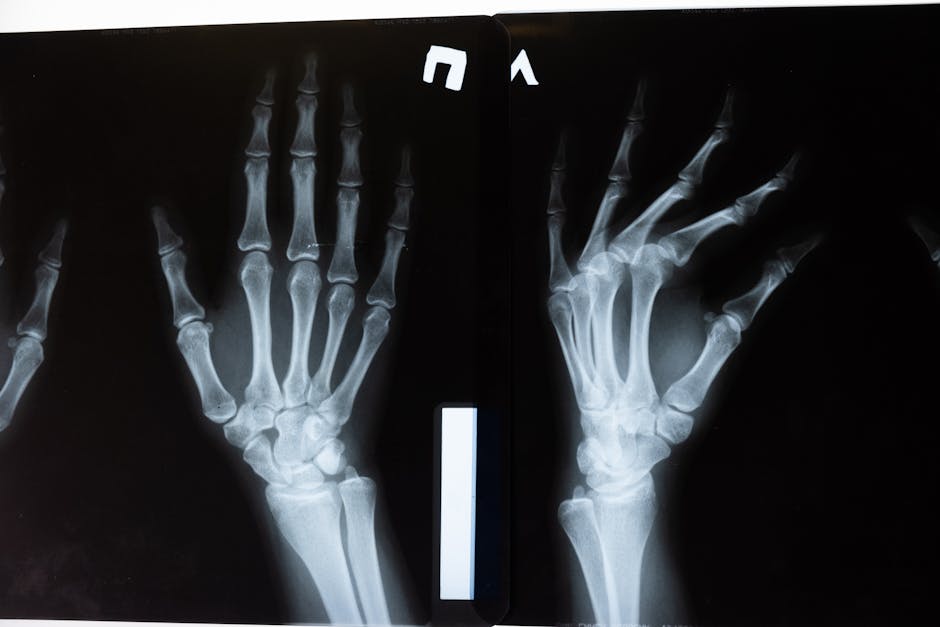
Diagnosing bone problems typically involves a combination of clinical evaluation and diagnostic testing. A physical examination may reveal signs of swelling or tenderness. Imaging tests such as X-rays, MRIs, or CT scans are crucial for visualizing the bone structure and identifying abnormalities.
Lab tests, including blood tests or bone density tests, can provide additional information about bone health. It is essential to differentiate bone problems from other conditions with similar symptoms, making a thorough evaluation critical.
Treatment Options for Bone Problems
Treatment options for bone problems vary based on the diagnosis and severity. Common approaches include medications such as pain relievers and anti-inflammatory drugs to reduce symptoms. In some cases, medications to strengthen bones or address underlying issues, like bisphosphonates for osteoporosis, are necessary.
Surgical interventions may be required for severe fractures or structural corrections. Lifestyle modifications, including diet and exercise tailored to promote bone health, play a vital role in managing and preventing bone problems.
Complications of Untreated Bone Problems
Without appropriate treatment, bone problems can lead to serious complications. Chronic pain, reduced mobility, and even permanent disability are possible outcomes. In severe cases, particularly with conditions like osteoporosis, there is an increased risk of fractures, which can significantly impact quality of life.
Prevention of Bone Problems
Prevention strategies focus on maintaining bone health through a balanced diet rich in calcium and vitamin D, regular weight-bearing exercise, and avoiding smoking and excessive alcohol consumption. Regular screening for bone density, especially in high-risk populations, is crucial for early detection and treatment of potential bone problems.
Key Takeaways on Bone Problems
Bone problems encompass a range of conditions that can significantly affect an individual’s health and quality of life. Understanding the causes, symptoms, and treatments is essential for managing these issues effectively. In my experience, early intervention and preventive measures play a critical role in improving patient outcomes. Remember to consult a healthcare provider for personalized advice and treatment plans tailored to your specific needs related to bone problems.


