
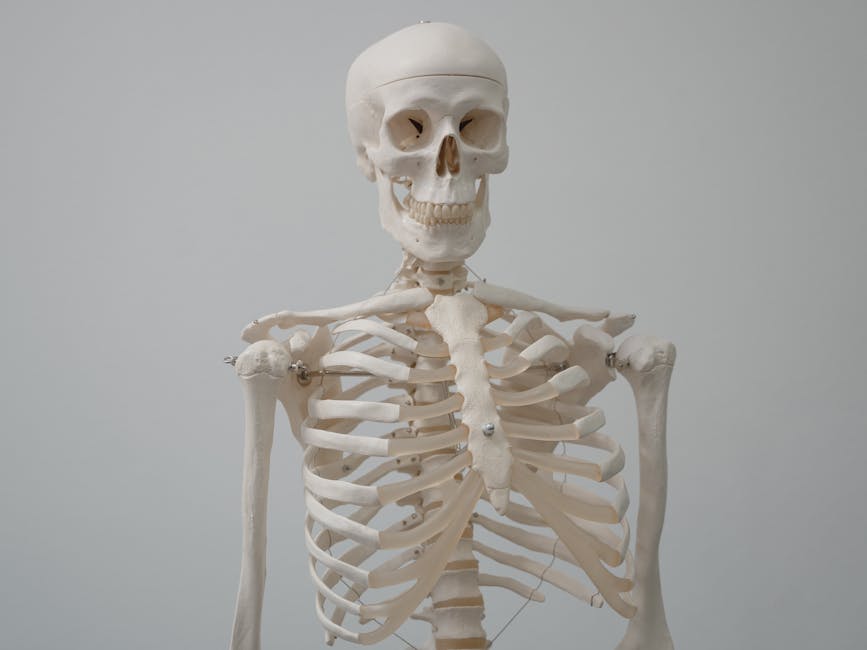
As the prevalence of osteoporosis continues to rise, especially among aging populations, finding effective and safe exercise options is crucial. Many patients and practitioners ask: is a rowing machine good for osteoporosis? This article explores how rowing might benefit those with osteoporosis, integrating current research and expert opinions.
Understanding Osteoporosis: Definition and Overview
Osteoporosis is a Bone Disease: Causes, Symptoms, and Management”>chronic bone disease characterized by decreased bone mineral density (BMD), leading to bones that are fragile and more prone to fractures. It’s a silent disease, often progressing without symptoms until a fracture occurs. Understanding this condition is key to appreciating how exercise modalities, such as rowing, may play a role in management.
Causes and Risk Factors
The development of osteoporosis can be attributed to a combination of genetic, lifestyle, and environmental factors. Key risk factors include advanced age, female gender, family history of the condition, and prolonged use of corticosteroids. Additionally, inadequate intake of calcium and vitamin D, sedentary lifestyle, and smoking are modifiable factors contributing to the disease’s progression.
Understanding these underlying mechanisms elucidates the need for regular physical activity as a preventive and therapeutic strategy.
Signs and Clinical Presentation
Osteoporosis is often asymptomatic until a fracture occurs. Common sites of fracture include the hip, wrist, and vertebrae. Clinicians should maintain a high index of suspicion in postmenopausal women and older adults, as these populations are at increased risk. A history of fractures from minimal trauma should prompt evaluation for osteoporosis.
Diagnosis and Testing Approaches
Diagnosis primarily relies on dual-energy X-ray absorptiometry (DEXA) scans, which measure BMD. The T-score obtained from DEXA scans helps determine the severity of bone loss and guides management. Additional tests may include serum calcium, phosphate levels, and bone turnover markers, providing a comprehensive overview of the patient’s metabolic bone health.
Treatment Options and Management Strategies
Osteoporosis management is multifaceted, focusing on modifying risk factors, medication, and implementing lifestyle changes. First-line pharmacotherapy includes bisphosphonates (e.g., alendronate) which reduce bone resorption. Other options include selective estrogen receptor modulators (SERMs) and monoclonal antibodies like denosumab.
Exercise is a cornerstone of osteoporosis management. Incorporating weight-bearing and resistance exercises can enhance bone strength. But is a rowing machine good for osteoporosis? Let’s delve into this specific form of exercise and its potential benefits.
Rowing Machines and Osteoporosis: The Connection
Biological Impact of Rowing
Rowing is a full-body exercise that combines aerobic and resistance training, potentially enhancing muscle strength and cardiovascular health. It’s a non-weight-bearing exercise, reducing the risk of joint stress and injury, which is particularly beneficial for individuals with osteoporosis.
Benefits for Bone Health
By promoting muscle engagement and improving posture, rowing can indirectly benefit bone health. While traditionally weight-bearing exercises are more renowned for their direct impact on BMD, the role of strength-training components in rowing should not be underestimated. Research indicates that muscle contractions from resistance training can stimulate bone formation, even in non-weight-bearing exercises like rowing.
Recent Developments and Research Findings
Recent studies have explored the effects of different exercise modalities on bone health. While direct evidence on rowing machines and osteoporosis remains limited, a study published in the Journal of Bone and Mineral Research suggested that combined resistance and aerobic exercises have beneficial effects on bone health in older populations.
Another study indicated rowing’s benefits go beyond bone density, improving balance and decreasing fall risk. These factors are critical in preventing fractures due to osteoporosis.
Key Takeaways
- Osteoporosis is a silent but impactful disease, necessitating a comprehensive approach to management.
- Rowing, a non-weight-bearing exercise, offers cardiovascular and muscular benefits while minimizing joint strain.
- Although direct evidence on rowing machines specifically for osteoporosis is sparse, related research suggests potential benefits for improving general bone health and reducing fracture risk.
For those considering adding rowing to their osteoporosis management plan, it’s advisable to consult with healthcare providers personalized recommendations.
Conclusion
While more direct research is needed to definitively answer “is a rowing machine good for osteoporosis,” available evidence suggests it can be a beneficial component of a comprehensive exercise regimen. Combining rowing with other weight-bearing exercises and balanced nutrition may offer a synergistic approach to managing osteoporosis effectively.


