
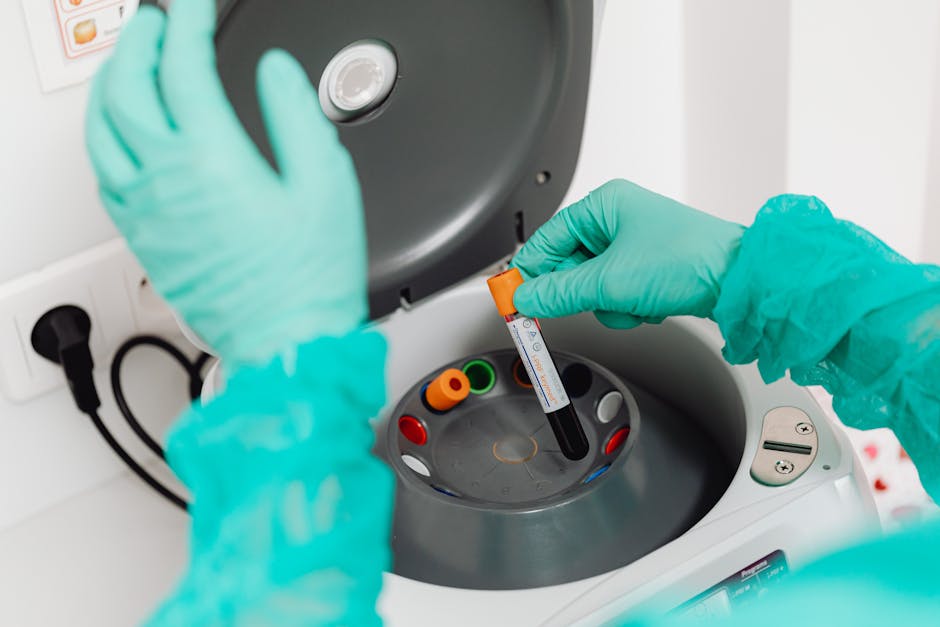
As a specialist in coagulation and thrombosis, I’ve encountered numerous facets of platelet dysfunction in both clinical and research settings. Platelet dysfunction, an alteration in platelet activity that affects blood clot formation and bleeding, plays a critical role in several Hematological Disorders: Essentials for Patients and…”>hematological and systemic conditions. This article explores the complexities of platelet dysfunction, its underlying mechanisms, and contemporary approaches to its diagnosis and management.
Definition and Overview of Platelet Dysfunction
Platelet dysfunction refers to any condition where platelets do not function properly, leading to abnormal bleeding or clotting tendencies. Platelets are cell fragments that coordinate hemostasis, the process of blood clot formation, and are essential in vascular injury response. Dysfunction can occur in various forms, from inadequate platelet aggregation to excessive activation, contributing to either bleeding disorders or thrombotic events.
The edges of our understanding of platelet biology are ever-expanding with ongoing research, offering insights into how platelet dysfunction interplays with systemic diseases like cardiovascular disorders, autoimmune diseases, and beyond.
Causes and Underlying Mechanisms of Platelet Dysfunction
The etiology of platelet dysfunction is multifaceted, encompassing inherited and acquired factors. Inherited platelet function disorders often result from genetic mutations affecting platelet surface receptors, signaling pathways, or secretion mechanisms. Conditions like Glanzmann’s thrombasthenia and Bernard-Soulier syndrome exemplify congenital platelet dysfunctions marked by defective glycoprotein complexes.
Acquired Causes
In contrast, acquired platelet dysfunctions arise from systemic diseases or external influences. These include:
- Medications: Antiplatelet drugs like aspirin or clopidogrel impair platelet function by blocking key pathways in platelet activation.
- Chronic Diseases: Conditions such as uremia (high blood urea levels) and liver disease can alter platelet function.
- Hematological Disorders: In conditions like myeloproliferative disorders, platelet counts can be abnormal, affecting function.
- Nutrition and Lifestyle: Factors like vitamin deficiencies or excessive alcohol intake may also impact platelet function.
Clinical Presentation and Symptoms
The clinical presentation of platelet dysfunction varies widely depending on its cause and severity. Generally, individuals with this condition may experience symptoms related to abnormal bleeding, such as easy bruising, frequent nosebleeds, excessive bleeding from minor cuts, and prolonged bleeding post-surgery or dental procedures. In more systemic contexts, dysfunctional platelet activity may present as thrombosis, leading to conditions such as deep vein thrombosis or myocardial infarction.
Diagnosis and Testing Approaches
Diagnosing platelet dysfunction requires a comprehensive clinical evaluation and laboratory testing. Essential diagnostic steps include:
History and Physical Examination
A thorough medical history and physical examination guide the diagnostic process by identifying potential hereditary factors and associated conditions.
Laboratory Testing
- Platelet Count: Although it often remains normal, counting platelets is foundational.
- Platelet Function Tests: Light transmission aggregometry, platelet function analyzer (PFA-100), and flow cytometry assess platelet aggregation and reactivity.
- Genetic Testing: For suspected inherited platelet disorders, targeted genetic tests provide definitive diagnoses.
These tests, along with a detailed clinical context, allow accurate identification of underlying causes and guide further therapeutic interventions.
Treatment Options and Management Strategies
Treating platelet dysfunction hinges on the underlying cause and symptom severity. Key management strategies include:
- Lifestyle Modifications: Dietary adjustments, such as increased vitamin intake or reducing alcohol, may improve platelet function in some cases.
- Medications: Desmopressin (DDAVP) is used to enhance platelet function temporarily in conditions like von Willebrand disease.
- Avoidance of Antiplatelet Agents: In situations where bleeding risk is high, discontinuation or substitution of pharmacologic agents may be effective.
- Platelet Transfusion: Reserved for severe cases, particularly during surgical procedures to control acute bleeding.
An individualized approach based on the etiology and patient profile ensures optimal outcomes and minimization of complications.
Recent Developments and Research Findings
The field of platelet dysfunction is experiencing remarkable advancements. Researchers continue to elucidate novel genetic mutations linked to platelet function disorders, expanding our understanding of pathophysiological mechanisms. Moreover, innovations in diagnostic technologies, such as microfluidic devices, offer more precise and patient-specific insights into platelet behavior under physiological shear conditions.
Recent studies are also focusing on the interplay between platelet dysfunction and non-hematological diseases, such as diabetes and atherosclerosis, providing new avenues for integrated therapeutic approaches and preventive strategies in at-risk populations.
Key Takeaways
- Platelet dysfunction encompasses a diverse array of conditions impacting normal hemostasis.
- Both genetic and environmental factors can contribute to altered platelet function, with distinctive clinical presentations.
- Effective diagnosis relies on a combination of clinical evaluation and targeted laboratory tests.
- Treatment strategies are multifaceted, aiming at mitigating symptoms and addressing the root cause.
- Ongoing research is pivotal in uncovering new insights into platelet biology, aiding the development of novel diagnostic and therapeutic modalities.
In conclusion, as our comprehension of platelet dysfunction deepens, so too does our ability to diagnose, manage, and even prevent related complications. Staying abreast of emerging research and technological advances will be key in refining patient-centered care and enhancing outcomes in those affected by platelet-related disorders.


