
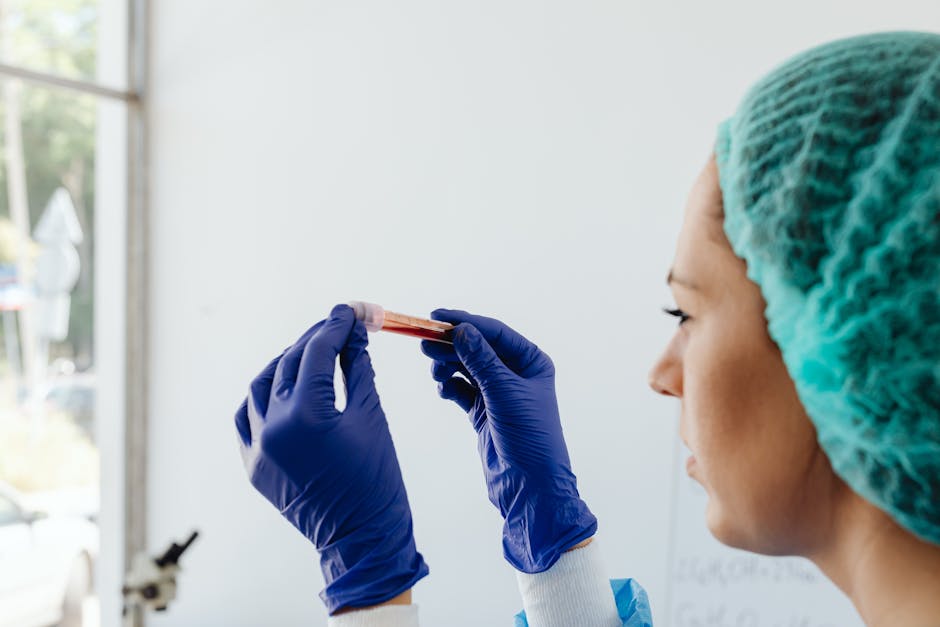
The role of coagulation labs in diagnosing and managing various clinical conditions, particularly those affecting the hematologic and hepatic systems, is invaluable. In the realm of medical diagnostics, these tests serve as pivotal components, aiding clinicians in unraveling the complexities of blood coagulation disorders. As a researcher dedicated to exploring hemostatic mechanisms, particularly in the context of liver injury, I aim to provide a comprehensive understanding of coagulation labs, their clinical significance, and recent advances in this field.
Overview of Coagulation Labs
Coagulation labs encompass a range of laboratory tests conducted to assess the blood’s ability to clot. These tests commonly include Prothrombin Time (PT), Activated Partial Thromboplastin Time (aPTT), Thrombin Time (TT), and Fibrinogen levels, among others. By evaluating these parameters, clinicians can diagnose bleeding disorders, monitor anticoagulation therapy, and evaluate liver function. For instance, an extended PT suggests a potential deficiency in one or more clotting factors, which can occur in hepatic dysfunction or Vitamin K deficiency.
Underlying Mechanisms
The coagulation cascade is a finely tuned biological process that involves a series of reactions leading to the formation of a blood clot. This process can be divided into two pathways: intrinsic and extrinsic, both culminating in a common pathway resulting in fibrin clot formation. Coagulation labs measure the integrity and function of these pathways, providing insights into various disorders such as hemophilia, disseminated intravascular coagulation (DIC), and liver disease-related coagulopathy.
Risk Factors and Causes for Abnormal Coagulation Lab Results
Numerous factors can lead to abnormal coagulation lab results. Some patients may possess genetic disorders, such as Factor V Leiden, which predispose them to thrombotic conditions. Liver disease is another critical condition influencing coagulation, given the liver’s role in synthesizing clotting factors. Vitamin K deficiency, often seen in malnutrition or prolonged antibiotic use, can also interfere with coagulation pathways, leading to prolonged PT.
Additional Risk Considerations
- Medications: Anticoagulants like warfarin and heparin are designed to alter coagulation parameters deliberately.
- Cancer: Malignancies can produce procoagulant substances, predisposing patients to thrombotic events.
- Autoimmune Disorders: Conditions like lupus can affect coagulation through the production of antiphospholipid antibodies.
Clinical Presentation and Signs
While coagulation labs are crucial, understanding the clinical signs can provide additional context for diagnosis. Patients with coagulation disorders may present with spontaneous bleeding, unusual bruising, or signs of thrombosis. For example, unexplained petechiae or larger ecchymoses might suggest a bleeding diathesis, warranting a comprehensive evaluation of the hemostatic system through coagulation labs.
Diagnostic Approaches and Coagulation Testing
Coagulation labs usually commence with relatively simple tests like PT and aPTT, followed by more specific tests if abnormalities are detected. These tests collectively provide a snapshot of the clotting functionality, guiding further diagnostic steps. Other specialized assays may include specific factor assays, D-dimer tests, and platelet function tests, each shedding light on different aspects of the coagulation process. These results must be interpreted alongside clinical findings and patient history for accurate diagnosis.
Interpreting Results
In clinical practice, interpreting coagulation lab results requires an understanding of both normal ranges and potential influences such as medications or underlying health conditions. For instance, a prolonged PT may indicate liver dysfunction or factor deficiencies, whereas an increased aPTT could suggest intrinsic pathway abnormalities.
Treatment and Management Strategies
Treatment of coagulation disorders is closely tied to the underlying cause identified through coagulation labs. For patients with vitamin K deficiency, vitamin K supplementation can normalize PT. In liver disease, managing the overall liver function often corrects the coagulation abnormalities. Thrombotic conditions may require anticoagulant therapy tailored to minimize bleeding risk.
Therapeutic Interventions
- Replacement Therapy: Administering deficient clotting factors, such as in hemophilia.
- Anticoagulation: Employing medications like rivaroxaban or dabigatran for prophylaxis or treatment of thrombosis.
- Supportive Care: Blood product transfusions may be necessary in severe bleeding cases.
Recent Developments in Coagulation Research
The field of coagulation research is rapidly evolving, with advancements illuminating new pathways and potential therapeutic targets. Recent studies have highlighted the role of microvesicles in coagulation and the potential for targeting inflammatory pathways in thrombotic diseases. Innovative lab techniques, including viscoelastic testing, provide real-time data on coagulation dynamics, offering enhanced precision in clinical decision-making.
Current Research Findings
One area of active research involves the interplay between coagulation and inflammation, particularly in sepsis. Novel agents targeting these intersections could pave the way for improved outcomes in patients with sepsis-induced coagulopathy.
Key Takeaways
- Coagulation labs are critical tools in diagnosing and managing bleeding and thrombotic disorders.
- A thorough understanding of the intrinsic and extrinsic pathways helps interpret test results accurately.
- Recent advances in therapeutic options promise improved management of coagulation disorders.
- Ongoing research continues to expand our understanding of coagulation mechanisms and their clinical implications.
Conclusion
Coagulation labs remain at the forefront of clinical diagnostics, providing valuable insights into the hematologic and hepatic health of patients. By keeping abreast of the latest research and developments in coagulation, medical professionals can leverage these insights to enhance patient care and optimize therapeutic outcomes. As we continue to unravel the complexities of the coagulation cascade, the potential for innovative treatment strategies in coagulation disorders is promising, underscoring the critical role of coagulation labs in modern medicine.


