
What Is CBC w/Auto Diff with Platelets?
In my practice, I often encounter the term CBC w/Auto Diff with Platelets, which refers to a comprehensive blood test known as the Complete Blood Count (CBC) with automated differential and platelet analysis. This test is a cornerstone of routine medical evaluations and aids in the diagnosis and monitoring of a wide range of medical conditions. It assesses the overall health of your blood and identifies specific abnormalities such as anemia, infection, and more.
This test is used widely because it provides a wealth of information about the components of blood, including red and white blood cells and platelets. The prevalence of abnormalities detected through CBC tests makes them essential tools for everyone, including those undergoing routine checkups, with conditions like leukemia, or experiencing symptoms like fatigue or unexplained bruising.
Who Needs CBC w/Auto Diff with Platelets?
A CBC w/auto diff with platelets is typically indicated for individuals experiencing unexplained symptoms like fatigue, weakness, fever, or bruising. It’s also routinely ordered as part of regular health exams. Common indications include diagnosing conditions like anemia, monitoring blood disorders, and evaluating overall health during treatments, such as chemotherapy. These tests provide crucial insights that help guide clinical decision-making.
How to Prepare for a CBC w/Auto Diff with Platelets
Preparation for a CBC w/auto diff with platelets is generally minimal. In most cases, no special steps are needed, although fasting may be required if the CBC is part of a broader panel of tests. It’s important to follow any specific instructions given by your healthcare provider.
Patients should inform their healthcare providers about any medications or supplements they are taking, as some substances can affect blood test results. Proper hydration before the test can help make the blood draw easier and more efficient.
What Happens During the Test?
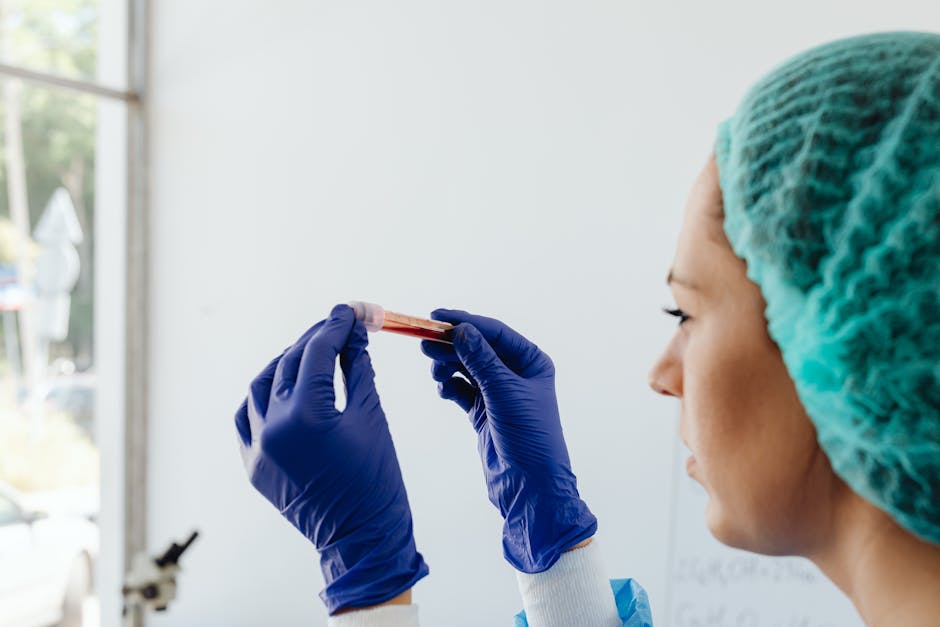
The CBC w/auto diff with platelets involves a simple blood draw, usually from a vein in the arm. The procedure is quick, typically taking just a few minutes. A phlebotomist or nurse will clean the area, insert a needle to collect the blood, and then cover the site with a bandage once the needle is removed.
Patients might feel a slight pinch when the needle is inserted, but the procedure should not be painful. The collected blood is then sent to a laboratory where automated machines perform the necessary analysis.
Results: Understanding CBC w/Auto Diff with Platelets Outcomes
Results from a CBC w/auto diff with platelets will include several components. Each measure offers insights into different aspects of health:
- White Blood Cell (WBC) Count: Elevated levels may indicate infection or inflammation, while low levels might suggest a risk of infection.
- Red Blood Cell (RBC) Count: Low RBC can indicate anemia, while high levels might suggest a condition like polycythemia.
- Hemoglobin and Hematocrit: These measure the oxygen-carrying capacity of blood and its volume percentage respectively.
- Platelet Count: Essential for clotting processes; abnormalities can indicate bleeding disorders or bone marrow conditions.
Patient-specific circumstances and health history will influence the interpretation of these results. It’s important that patients discuss their results with their healthcare provider to understand what they mean for their individual health.
Risks and Complications of CBC w/Auto Diff with Platelets
The risks associated with a CBC w/auto diff with platelets are minimal. Patients may experience minor discomfort at the site of the needle insertion, and, in rare cases, bruising or infection can occur. However, the procedure is generally considered safe.
When to See a Doctor
If you encounter unusual symptoms like persistent bruising, significant fatigue, or unexpected bleeding, you should consult a healthcare professional. Early evaluation through tests like the CBC can lead to timely diagnosis and management of underlying conditions.
Key Takeaways
In conclusion, a CBC w/Auto Diff with Platelets is an essential diagnostic tool that provides crucial information about overall health and detects various conditions. This test is straightforward and involves minimal risk, making it a standard component of routine health evaluations and management of specific health concerns.
Understanding the results of a CBC can empower patients and caregivers to participate actively in health decisions. Always seek clarification from healthcare providers about what your results mean and follow up with any necessary lifestyle changes or additional testing. Ultimately, the CBC w/Auto Diff with Platelets is invaluable in maintaining and improving health through early detection and management of potential health issues.


