
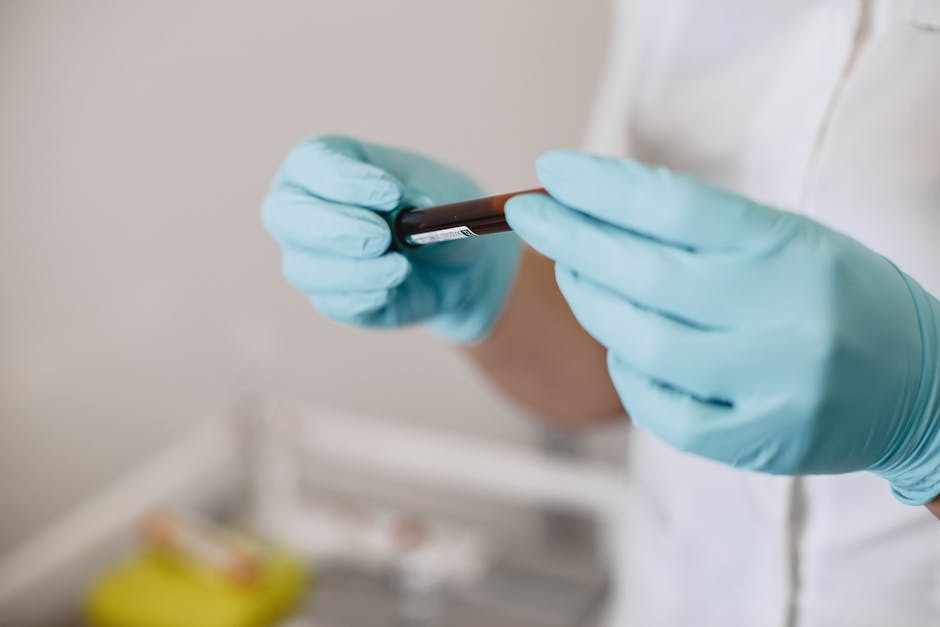
A hemoglobin level of 7.9 g/dL is significantly below normal and falls into the category of moderate to severe anemia. To put it bluntly: this isn’t a number to ignore. Normal hemoglobin ranges from 12.0–15.5 g/dL for women and 13.5–17.5 g/dL for men, so a reading of 7.9 means your blood is carrying roughly half the oxygen it should be. At this level, most people feel genuinely terrible — exhausted, short of breath, dizzy — and many clinicians will seriously consider a blood transfusion, especially if symptoms are severe or the drop happened quickly.
That said, a hemoglobin of 7.9 doesn’t automatically mean you’re in danger of dying. The clinical picture depends entirely on why it’s low, how fast it dropped, and what your body is used to. Someone with chronic kidney disease who has been hovering around 8 g/dL for months may tolerate it far better than a previously healthy person who bled acutely from 14 down to 7.9. Let’s break down exactly what this number means and what happens next.
How Severe Is a Hemoglobin of 7.9?
The World Health Organization classifies anemia severity based on hemoglobin thresholds. Here’s where 7.9 falls:
| Severity | Hemoglobin (g/dL) — Women | Hemoglobin (g/dL) — Men |
|---|---|---|
| Normal | 12.0–15.5 | 13.5–17.5 |
| Mild Anemia | 11.0–11.9 | 11.0–12.9 |
| Moderate Anemia | 8.0–10.9 | 8.0–10.9 |
| Severe Anemia | < 8.0 | < 8.0 |
A hemoglobin of 7.9 sits right at the border between moderate and severe anemia. By WHO criteria, anything below 8.0 g/dL is classified as severe. Many hospital transfusion protocols use 7.0 g/dL as the threshold for transfusion in stable patients (the so-called “restrictive transfusion strategy” supported by the landmark TRICC trial), but symptomatic patients or those with active heart disease are often transfused at higher thresholds — typically below 8.0 or 9.0 g/dL.
Symptoms You’re Likely Feeling at 7.9
At this hemoglobin level, your body is working overtime to compensate for reduced oxygen delivery. Most patients experience a combination of:
- Crushing fatigue — not regular tiredness, but the kind where climbing a flight of stairs feels like running a mile
- Shortness of breath with minimal exertion (walking across a room, talking)
- Heart pounding or racing — your heart beats faster to circulate the limited oxygen more quickly
- Dizziness or lightheadedness, especially when standing up
- Pale skin, nail beds, and gums
- Headaches, difficulty concentrating, and feeling cold
If you’re experiencing chest pain, severe shortness of breath at rest, or confusion, that’s an emergency. Go to the ER — don’t wait for a clinic appointment.
What Causes Hemoglobin to Drop to 7.9?
A hemoglobin this low doesn’t happen without a reason, and finding that reason is the most important part of treatment. The causes generally fall into three categories:
1. Blood Loss
This is the most common cause worldwide. Heavy menstrual periods, GI bleeding (ulcers, colon polyps, colon cancer), and surgical blood loss can all drive hemoglobin down to this range. GI bleeding is especially sneaky — you can lose significant blood through your stool without seeing obvious red blood.
2. Decreased Red Blood Cell Production
Iron deficiency is the #1 cause of anemia globally, affecting roughly 1.2 billion people. Vitamin B12 and folate deficiencies, chronic kidney disease (which reduces erythropoietin production), bone marrow disorders like myelodysplastic syndrome, and hypothyroidism can all impair your body’s ability to make red blood cells.
3. Increased Red Blood Cell Destruction
Conditions like sickle cell disease, thalassemia, autoimmune hemolytic anemia, and certain infections destroy red blood cells faster than your body can replace them. This is called hemolysis, and it often shows up with jaundice (yellowing of the skin and eyes) along with the anemia.
What Tests Will Your Doctor Order?
A hemoglobin of 7.9 warrants a thorough workup, not just a recheck. Here’s what to expect:
- Complete Blood Count (CBC) with differential — looks at red cell size (MCV), white cells, and platelets
- Reticulocyte count — tells your doctor whether your bone marrow is trying to compensate
- Iron studies — serum iron, ferritin, TIBC, and transferrin saturation
- Vitamin B12 and folate levels
- Peripheral blood smear — a pathologist looks at the shape of your red blood cells under a microscope
- Kidney function tests (BUN/creatinine) — to rule out chronic kidney disease
- Stool occult blood test — checks for hidden GI bleeding
The MCV (mean corpuscular volume) on your CBC is particularly useful. A low MCV suggests iron deficiency or thalassemia. A high MCV points toward B12 or folate deficiency. A normal MCV with a hemoglobin of 7.9 raises concern for chronic disease, acute blood loss, or bone marrow problems.
Treatment: How to Raise a Hemoglobin of 7.9
Treatment depends entirely on the cause. There is no one-size-fits-all approach.
Iron deficiency anemia: Oral iron supplementation (typically 325 mg ferrous sulfate, taken on an empty stomach with vitamin C to boost absorption) is first-line. At a hemoglobin of 7.9, your doctor may opt for IV iron infusion instead, which raises levels faster and avoids the GI side effects that make many patients stop taking oral iron.
B12 deficiency: Intramuscular B12 injections or high-dose oral supplementation (1000–2000 mcg daily). Response is usually dramatic — reticulocyte counts spike within a week.
Blood transfusion: If you’re symptomatic, hemodynamically unstable, or have active cardiac disease, you may receive packed red blood cells. Each unit typically raises hemoglobin by about 1 g/dL. A patient at 7.9 with chest pain might receive 1–2 units to bring levels above 9.
Chronic kidney disease: Erythropoiesis-stimulating agents (ESAs) like epoetin alfa, combined with iron supplementation.
Active bleeding: Stopping the source of bleeding is the priority — this might mean an endoscopy, surgery, or addressing heavy menstrual periods with hormonal therapy.
When to Go to the Emergency Room
A hemoglobin of 7.9 warrants urgent medical attention in any of these scenarios:
- Chest pain or pressure
- Heart rate above 120 bpm at rest
- Shortness of breath at rest or while lying flat
- Visible blood in stool (dark/tarry or bright red) or vomit
- Fainting or near-fainting episodes
- Confusion or altered mental status
- Known heart disease with new symptoms
Even without these red flags, a hemoglobin of 7.9 should prompt a same-week visit to your doctor — not a “let’s recheck it in three months” approach.
Frequently Asked Questions
Can a hemoglobin of 7.9 be life-threatening?
It can be, depending on context. In an otherwise healthy person with a chronic, slow decline, the body compensates remarkably well. But in someone with heart disease, active bleeding, or a rapid drop, a hemoglobin of 7.9 can trigger heart failure, dangerous arrhythmias, or organ damage. This is why the speed of the drop matters as much as the number itself.
Will I need a blood transfusion at 7.9 hemoglobin?
Possibly. Current evidence-based guidelines (from the AABB, updated 2016) recommend a restrictive transfusion threshold of 7.0 g/dL for most stable hospitalized patients and 8.0 g/dL for patients with cardiovascular disease or undergoing orthopedic surgery. At 7.9, you’re right in the gray zone — your doctor will decide based on your symptoms, how fast the hemoglobin dropped, and your medical history.
How long does it take to raise hemoglobin from 7.9 to normal?
With iron supplementation for iron-deficiency anemia, hemoglobin typically rises about 1 g/dL every 2–3 weeks. So going from 7.9 to 12.0 could take 2–3 months. IV iron works somewhat faster. A blood transfusion raises hemoglobin immediately (about 1 g/dL per unit). Full iron store replenishment usually takes 3–6 months of continued supplementation even after hemoglobin normalizes.
Can diet alone fix a hemoglobin of 7.9?
Realistically, no. Diet is crucial for preventing recurrence, but at 7.9 g/dL, you need medical treatment — whether that’s iron supplements, B12 injections, or transfusions. Once you’re being treated, eating iron-rich foods (red meat, spinach, lentils, fortified cereals) and pairing them with vitamin C helps maintain your levels. But food alone won’t fix a deficit this large fast enough.
Is 7.9 hemoglobin normal during pregnancy?
No. While hemoglobin drops during pregnancy due to plasma volume expansion (hemodilution), normal pregnancy hemoglobin rarely falls below 10.5–11.0 g/dL. A level of 7.9 in pregnancy is severe anemia and is associated with increased risk of preterm birth, low birth weight, and maternal complications. Pregnant patients at this level typically receive IV iron or transfusion.
Key Takeaways
- A hemoglobin of 7.9 g/dL is at the severe end of anemia and always requires medical evaluation
- The most common causes are iron deficiency, blood loss, B12/folate deficiency, and chronic kidney disease
- Transfusion may or may not be needed — it depends on symptoms, speed of onset, and cardiac history
- With proper treatment, most causes of anemia at this level are reversible
- Don’t try to self-treat with supplements alone — get bloodwork done to identify the root cause first


