
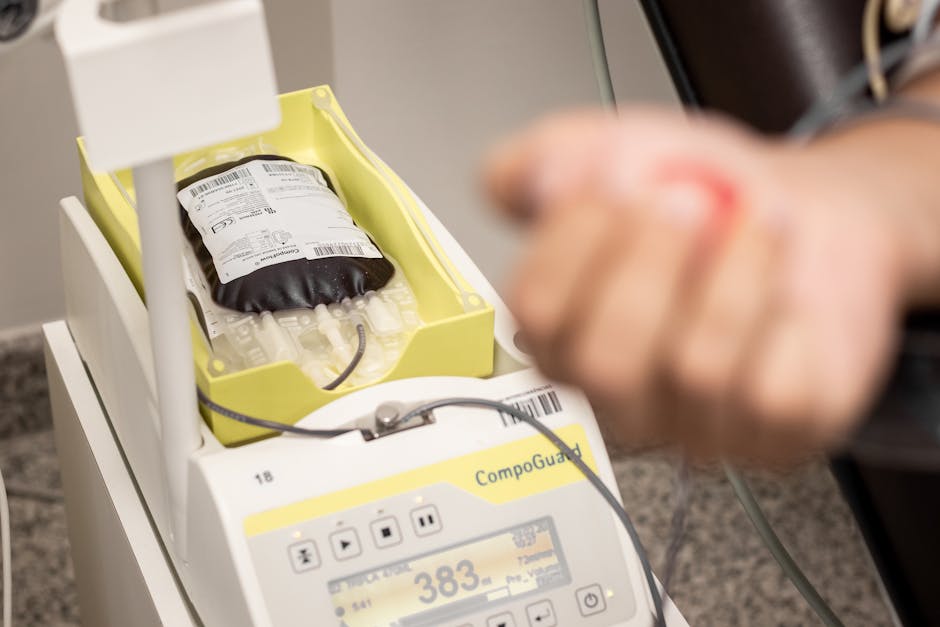
The fascinating process of blood production, also known as hematopoiesis, is fundamental to our health, ensuring our bodies have the cells necessary to function efficiently. Understanding where blood is produced helps us appreciate the intricacies of our circulatory system and diagnose and treat related conditions. In my practice, I often see the impact of new research on patient care, emphasizing the significance of ongoing learning.
The Origin of Blood Production
Blood production primarily takes place in the bone marrow, a spongy tissue found in the center of bones. Highly vascularized, the bone marrow is richly supplied with blood vessels, making it the ideal environment for blood cell development. The key regions involved include long bones like the femur and humerus, as well as the pelvic bones, sternum, and vertebrae.
Interestingly, during embryonic development, hematopoiesis begins in the yolk sac, transitioning to the liver and spleen, before bone marrow becomes the primary site after birth. This progression reflects the body’s developmental needs and provides a robust system for generating red blood cells (erythrocytes), white blood cells (leukocytes), and platelets (thrombocytes).
Why Is Blood Production Important?
Blood carries oxygen, nutrients, and hormones to cells and removes waste products, making its production crucial for survival. Erythrocytes transport oxygen, while leukocytes play a critical role in the immune response, and platelets are essential for blood clotting and wound healing.
Processes Involved in Blood Production
The intricate process of blood cell formation involves multiple stages driven by specialized stem cells found within the bone marrow, known as hematopoietic stem cells (HSCs). These multipotent stem cells have the unique ability to differentiate into various blood cell types.
Stages of Hematopoiesis
- Pluripotent Stem Cells: HSCs undergo self-renewal, maintaining the stem cell pool while generating common myeloid and lymphoid progenitor cells.
- Differentiation: Progenitor cells further differentiate to form specific blood cell lineages such as erythrocytes, leukocytes, and platelets.
- Maturation: Mature blood cells are released into the bloodstream, ready to perform their respective functions.
This hierarchical differentiation allows for the production of billions of blood cells daily, adapting to the body’s changing needs during health and disease.
Factors Affecting Blood Production
Several factors influence the efficiency and effectiveness of blood production. In my clinical practice, it’s important to evaluate these factors, particularly in patients presenting with Hematological Disorders: Essentials for Patients and Caregivers”>hematological disorders.
Intrinsic and Extrinsic Factors
- Genetic Factors: Mutations affecting HSCs can lead to blood disorders like leukemia and congenital anemia.
- Nutritional Status: Adequate levels of vitamins and minerals, such as iron, vitamin B12, and folic acid, are crucial for hematopoiesis.
- Hormonal Regulation: Hormones like erythropoietin, produced by the kidneys, stimulate red blood cell production.
- Environmental Influences: Exposure to toxins, radiation, or infections can severely impact hematopoietic function.
By understanding these factors, healthcare providers can develop more effective diagnostic and therapeutic strategies tailored to individual needs.
Clinical Implications and Conditions Related to Blood Production
Abnormalities in blood production manifest in various hematological conditions. These can range from benign variations to life-threatening disorders, influencing patient outcomes.
Common Conditions
Blood production disorders can be broadly categorized into those with overproduction or underproduction of specific blood components.
- Anemias: Characterized by insufficient red blood cells leading to fatigue and weakness. Causes include nutritional deficiencies, chronic diseases, and bone marrow pathologies.
- Leukemias: A group of cancers affecting leukocytes, often involving genetic mutations that disrupt normal hematopoiesis.
- Thrombocytopenia: Low platelet counts that can result in increased bleeding risks.
Early recognition and intervention can mitigate long-term complications for affected individuals. Therefore, routine screening and preventive measures play a vital role in managing these disorders.
Innovations in Hematopoietic Research
Ongoing research into the mechanisms of blood production continues to transform therapeutic approaches. Advances in stem cell biology and regenerative medicine hold the promise of more sophisticated treatments for hematological disorders.
Future Prospects
Incorporating genetic mapping and personalized medicine into blood production research supports innovative therapies, including:
- Gene Therapy: Correcting genetic defects in hematopoietic cells.
- Stem Cell Therapy: Using HSC transplants to restore normal blood cell production in patients with marrow deficiencies.
- Artificial Blood Production: Developing lab-grown blood cells as an alternative to donor-dependent blood supplies.
These cutting-edge advances offer hope for more precise, tailored care for patients with complex hematological issues.
Conclusion: Where Blood Is Produced
Understanding where blood is produced provides crucial insight into the processes that sustain human life. It enables healthcare professionals to diagnose and treat disorders affecting blood production effectively. Continued research and innovation will no doubt yield further advancements, enhancing patient care and offering new hope for those with hematological conditions. As we move forward, collaborative efforts across disciplines will remain key to unlocking the full potential of our understanding of hematopoiesis.
As always, I encourage patients and caregivers to consult healthcare providers for personalized medical advice and regular screenings, ensuring optimal health and well-being.


