
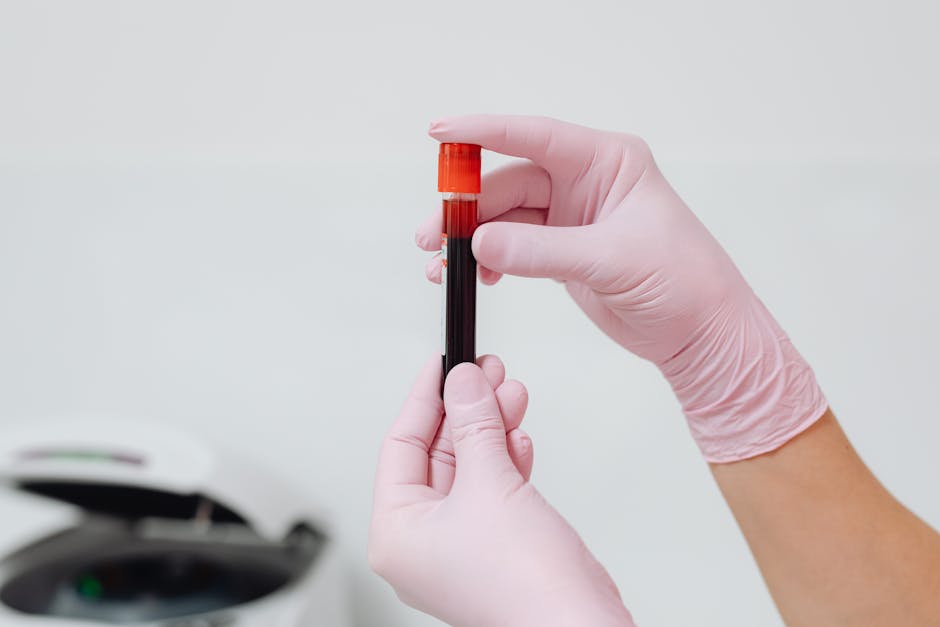
Platelet levels measure the concentration of thrombocytes—tiny blood cells responsible for clotting—in your bloodstream. A normal platelet count falls between 150,000 and 450,000 per microliter (µL) of blood. When levels drop below or rise above this range, it signals either thrombocytopenia (low platelets) or thrombocytosis (high platelets), both of which carry real clinical consequences ranging from uncontrolled bleeding to dangerous blood clots.
If you’ve gotten a CBC (complete blood count) back and your platelet number is flagged, you’re probably wondering: is this serious? The answer depends on how far outside the normal range you are, how fast the change occurred, and whether you have symptoms. Below, I’ll walk through the specific thresholds that matter, the most common causes, and exactly when you need to act.
Normal vs. Abnormal Platelet Levels: A Quick Reference
| Platelet Count (per µL) | Classification | Clinical Significance |
|---|---|---|
| Above 1,000,000 | Extreme thrombocytosis | High risk of clotting and paradoxical bleeding; urgent evaluation needed |
| 450,000–1,000,000 | Thrombocytosis | Often reactive (infection, inflammation, iron deficiency); requires workup |
| 150,000–450,000 | Normal range | No intervention needed |
| 100,000–149,000 | Mild thrombocytopenia | Usually monitored; rarely causes bleeding |
| 50,000–99,000 | Moderate thrombocytopenia | Increased bruising risk; surgery may require precautions |
| 20,000–49,000 | Severe thrombocytopenia | Spontaneous bleeding possible; activity restrictions advised |
| Below 20,000 | Critical thrombocytopenia | Risk of spontaneous intracranial hemorrhage; may need platelet transfusion |
That 20,000/µL threshold is the one hematologists watch most closely. Below it, spontaneous bleeding—including into the brain—becomes a real possibility even without trauma.
What Causes Low Platelet Levels (Thrombocytopenia)?
Low platelets result from one of three mechanisms: your bone marrow isn’t making enough, your body is destroying them too fast, or your spleen is trapping them. Here are the most common culprits:
Decreased Production
- Bone marrow disorders — leukemia, myelodysplastic syndromes, aplastic anemia
- Chemotherapy and radiation — the most common iatrogenic cause
- Chronic alcohol use — directly toxic to megakaryocytes (the cells that produce platelets)
- Vitamin B12 or folate deficiency — impairs DNA synthesis in marrow precursors
- Viral infections — HIV, hepatitis C, and EBV can suppress marrow output
Increased Destruction
- Immune thrombocytopenic purpura (ITP) — autoantibodies target platelets for splenic destruction; affects roughly 3.3 per 100,000 adults annually
- Thrombotic thrombocytopenic purpura (TTP) — a medical emergency with a mortality rate exceeding 90% if untreated
- Heparin-induced thrombocytopenia (HIT) — typically causes a >50% drop in platelets 5–10 days after starting heparin
- Disseminated intravascular coagulation (DIC) — widespread clotting consumes platelets rapidly
Splenic Sequestration
An enlarged spleen (splenomegaly) from liver cirrhosis, lymphoma, or infections like malaria can trap up to 90% of circulating platelets, compared to the normal 30%. The platelets aren’t destroyed—they’re just sequestered.
What Causes High Platelet Levels (Thrombocytosis)?
Elevated platelets are classified as either reactive (secondary) or clonal (primary). This distinction is critical because the treatment and prognosis differ dramatically.
Reactive Thrombocytosis (Most Common — ~85% of Cases)
- Iron deficiency anemia — one of the most overlooked causes; platelets often normalize once iron stores are replenished
- Acute infection or chronic inflammation — IL-6 drives thrombopoietin production
- Post-surgical or post-splenectomy — counts can temporarily spike above 1,000,000/µL
- Malignancy — solid tumors (especially lung, GI, and ovarian) can elevate platelets
Clonal (Primary) Thrombocytosis
- Essential thrombocythemia (ET) — a myeloproliferative neoplasm; roughly 60% of patients carry the JAK2 V617F mutation
- Polycythemia vera and chronic myeloid leukemia — platelets rise as part of a broader marrow proliferation
A key clinical pearl: reactive thrombocytosis rarely causes clotting complications, while clonal thrombocytosis significantly increases both thrombotic and hemorrhagic risk.
Symptoms You Shouldn’t Ignore
Signs of Low Platelets
- Petechiae — pinpoint red dots on the skin, especially on the lower legs
- Easy bruising (purpura) without significant trauma
- Prolonged bleeding from minor cuts or dental procedures
- Heavy menstrual periods (menorrhagia)
- Blood in urine or stool
Signs of High Platelets
- Burning or tingling in hands and feet (erythromelalgia)
- Headaches, dizziness, or visual disturbances
- Chest pain or shortness of breath (potential clot)
- Redness and warmth in one extremity (DVT warning sign)
Many patients with mild abnormalities have no symptoms at all. The platelet count is often caught incidentally on routine bloodwork.
How Abnormal Platelet Levels Are Diagnosed
A complete blood count (CBC) is the starting point. But a number alone doesn’t tell the whole story. Your doctor will likely order:
- Peripheral blood smear — rules out pseudothrombocytopenia (platelet clumping in the tube, which falsely lowers the count)
- Reticulocyte count and LDH — helps distinguish destruction from underproduction
- Iron studies, B12, and folate levels — screens for nutritional deficiencies
- JAK2 mutation testing — if clonal thrombocytosis is suspected
- Bone marrow biopsy — reserved for cases where the cause remains unclear or malignancy is suspected
Treatment Approaches
For thrombocytopenia: Treatment depends entirely on the cause. ITP may respond to corticosteroids, IVIG, or rituximab. Drug-induced cases resolve by stopping the offending medication. hematology/” title=”Platelet Transfusions: A Vital Component in Hematology”>Platelet transfusions are reserved for active bleeding or counts below 10,000/µL (or below 50,000/µL before surgery).
For thrombocytosis: Reactive cases are managed by treating the underlying condition—give iron for iron deficiency, treat the infection, manage the inflammation. Clonal cases like ET may require low-dose aspirin (81 mg daily), cytoreductive therapy with hydroxyurea, or anagrelide in select patients.
When to See a Doctor
Get medical attention promptly if you notice:
- New petechiae or unexplained bruising that’s spreading
- Bleeding that won’t stop with standard pressure
- Sudden severe headache, confusion, or vision changes (could indicate intracranial bleeding or stroke from clotting)
- A platelet count below 50,000 or above 750,000 on any lab report
If your count is mildly outside the normal range and you feel fine, a repeat CBC in 2–4 weeks is reasonable before launching into an extensive workup. A single abnormal result can reflect a transient viral illness or lab artifact.
Frequently Asked Questions
Can stress affect platelet levels?
Acute physical stress (surgery, trauma, intense exercise) can temporarily raise platelet counts through catecholamine-mediated splenic release. Chronic psychological stress alone is unlikely to cause clinically significant changes, though it may contribute indirectly through inflammation.
What platelet level is dangerously low?
Below 20,000/µL is considered dangerous because of the risk of spontaneous bleeding, including intracranial hemorrhage. Below 10,000/µL, most hematologists recommend platelet transfusion even without active bleeding.
Can food or supplements raise low platelet counts?
If thrombocytopenia is caused by B12, folate, or iron deficiency, correcting the deficiency will improve counts. Papaya leaf extract has shown modest platelet-boosting effects in small studies of dengue patients, but evidence is limited. No supplement replaces proper medical evaluation.
How often should platelet levels be monitored?
For stable, mildly abnormal counts without symptoms, rechecking every 3–6 months is typical. Patients on chemotherapy or with active ITP may need weekly or even daily monitoring. Your hematologist will tailor the schedule to your specific situation.
Is thrombocytosis always a sign of cancer?
No. In fact, roughly 85% of elevated platelet counts are reactive—caused by infection, inflammation, or iron deficiency. However, persistent unexplained thrombocytosis (especially above 600,000/µL) warrants screening for myeloproliferative disorders.


