
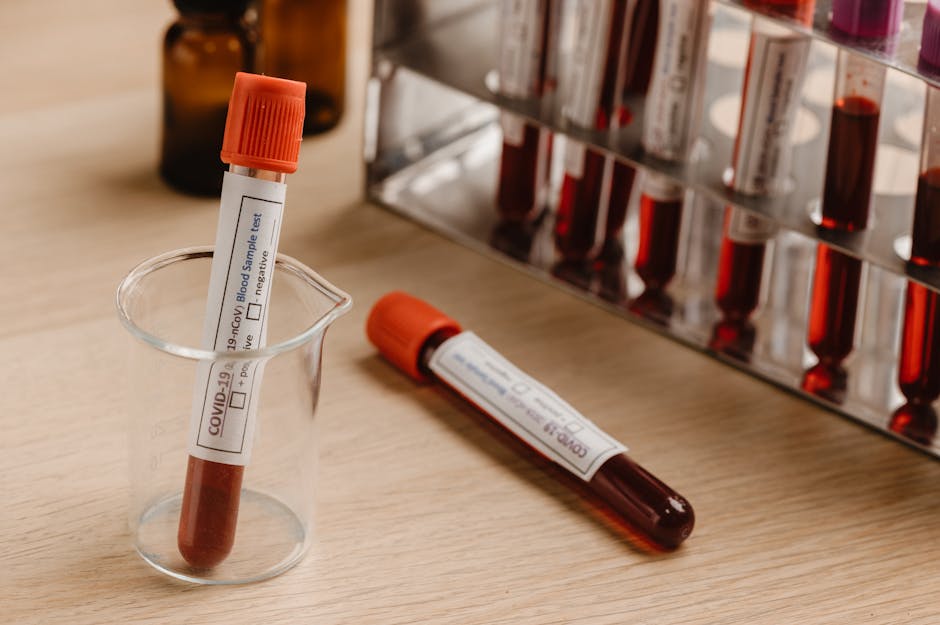
If your blood work came back showing low platelets — a condition doctors call thrombocytopenia — you’re probably wondering how worried you should be. The short answer: it depends on how low. A normal platelet count ranges from 150,000 to 400,000 per microliter (µL) of blood. Counts between 100,000 and 150,000 are mildly low and often don’t cause symptoms. Below 50,000, your bleeding risk starts climbing. Below 10,000, you’re in dangerous territory where spontaneous, life-threatening bleeding can occur — even without injury.
About 5–10% of hospitalized patients have some degree of thrombocytopenia, making it one of the most common blood abnormalities doctors encounter. The causes range from completely benign (a lab error from platelet clumping) to serious (leukemia, severe infections, autoimmune disease). This guide walks you through what different platelet levels mean, why yours might be low, and exactly when you need medical attention.
What Do Different Platelet Levels Actually Mean?
Not all low platelet counts are created equal. Here’s a practical breakdown of what your numbers mean clinically:
| Platelet Count (per µL) | Classification | Bleeding Risk | Typical Action |
|---|---|---|---|
| 150,000–400,000 | Normal | None | No treatment needed |
| 100,000–149,000 | Mild thrombocytopenia | Minimal | Monitor; investigate cause |
| 50,000–99,000 | Moderate thrombocytopenia | Low to moderate | Workup recommended; avoid contact sports |
| 20,000–49,000 | Severe thrombocytopenia | Moderate to high | Active treatment often needed |
| Below 20,000 | Critical thrombocytopenia | High — spontaneous bleeding possible | Urgent intervention; possible transfusion |
| Below 10,000 | Life-threatening | Very high — intracranial hemorrhage risk | Emergency platelet transfusion |
One critical point: a single low reading doesn’t always mean you have a real problem. Pseudothrombocytopenia — where platelets clump together in the collection tube, making the count appear falsely low — accounts for up to 0.1% of all CBC tests. Your doctor should confirm a low result by repeating the test, sometimes using a citrate tube instead of the standard EDTA tube.
Symptoms of Low Platelets
Many people with mildly low platelets feel completely fine. Symptoms typically don’t appear until counts drop below 50,000, and they become pronounced below 20,000.
Watch for these signs:
- Petechiae — tiny red or purple dots on the skin, especially on the lower legs, that don’t blanch (turn white) when you press on them
- Easy bruising from minor bumps or for no apparent reason
- Prolonged bleeding from cuts that just won’t stop
- Frequent nosebleeds or bleeding gums when brushing teeth
- Unusually heavy menstrual periods
- Blood in urine (pink or red) or stools (dark, tarry, or bright red)
Red flags that require an ER visit: a sudden severe headache with confusion (possible intracranial bleeding), vomiting blood, or uncontrollable bleeding from any site.
What Causes Low Platelets?
There are three basic mechanisms behind thrombocytopenia, and identifying which one is driving your low count is the key to effective treatment.
1. Your Bone Marrow Isn’t Making Enough Platelets
Platelets are produced by megakaryocytes in the bone marrow. Anything that damages or crowds out marrow can reduce production:
- Leukemia and lymphoma — cancer cells infiltrate the marrow
- Aplastic anemia — the marrow stops producing blood cells adequately
- Chemotherapy and radiation — intentionally target rapidly dividing cells, including megakaryocytes
- Vitamin B12 or folate deficiency — surprisingly common and easily treatable
- Heavy alcohol use — alcohol is directly toxic to the bone marrow
2. Your Body Is Destroying Platelets Too Fast
Sometimes the marrow works fine, but platelets get destroyed in the bloodstream faster than they can be replaced:
- Immune thrombocytopenic purpura (ITP) — the most common cause in otherwise healthy adults, where the immune system attacks platelets. Affects roughly 3.3 per 100,000 adults annually.
- Thrombotic thrombocytopenic purpura (TTP) — a rare but life-threatening emergency where tiny clots form throughout the body, consuming platelets
- Heparin-induced thrombocytopenia (HIT) — a paradoxical reaction to the blood thinner heparin that causes both clotting and low platelets
- Infections — dengue, HIV, hepatitis C, Epstein-Barr virus, and severe bacterial sepsis
3. Platelets Are Being Trapped in the Spleen
The spleen normally holds about one-third of your platelets. When the spleen enlarges (splenomegaly) — from liver cirrhosis, for example — it can sequester up to 90% of circulating platelets, dragging your count down even though production is normal.
How Low Platelets Are Diagnosed
Diagnosis starts with a complete blood count (CBC) — the same routine blood test done at most checkups. If platelets come back low, your doctor will typically:
- Repeat the CBC to confirm the result and rule out pseudothrombocytopenia
- Review a peripheral blood smear under the microscope — this shows platelet size, clumping, and abnormal cell shapes that point toward specific diagnoses
- Order additional labs: reticulocyte count, liver function tests, B12/folate levels, HIV and hepatitis C screening, LDH, and haptoglobin
- Consider a bone marrow biopsy if the cause isn’t clear from blood tests alone — especially if other cell lines (white cells, red cells) are also abnormal
Large platelets on the smear (high Platelet Volume (MPV) in Clinical Practice”>Mean Platelet Volume (MPV) in Clinical Practice“>mean platelet volume, or MPV) often suggest the marrow is working overtime to compensate for peripheral destruction — pointing toward ITP or TTP rather than a production problem.
Treatment Options for Low Platelets
Treatment depends entirely on the cause and severity. Mild thrombocytopenia from a viral illness might resolve on its own within weeks. Critical counts from leukemia require aggressive intervention.
- Watch and wait: For counts above 50,000 with no bleeding, monitoring may be all that’s needed
- Corticosteroids (prednisone, dexamethasone): First-line therapy for ITP — works in about 60–80% of patients initially, though relapse is common
- IVIG (intravenous immunoglobulin): Rapidly raises platelet counts in ITP within 24–48 hours; used when a quick response is needed (before surgery, for example)
- Thrombopoietin receptor agonists (romiplostim, eltrombopag): Stimulate the bone marrow to produce more platelets; used for chronic ITP that doesn’t respond to steroids
- Splenectomy: Removing the spleen achieves long-term remission in about 60–70% of chronic ITP cases, though it’s typically reserved as a later option
- Platelet transfusion: Reserved for active bleeding or critically low counts (below 10,000). Each unit raises the count by roughly 30,000–50,000
- Treat the underlying cause: Stop the offending medication, treat the infection, address the nutritional deficiency, or manage the liver disease
When to See a Doctor
Don’t wait on this. See your doctor promptly if you:
- Notice unexplained petechiae or bruising that seems disproportionate to any injury
- Have bleeding that takes much longer than usual to stop
- Got a CBC result showing platelets below 100,000
- Are on a medication known to lower platelets (heparin, valproic acid, certain antibiotics like linezolid)
Go to the emergency room if you have heavy uncontrolled bleeding, blood in your vomit or stool, or a sudden severe headache with neurological changes — these can signal bleeding emergencies.
Frequently Asked Questions About Low Platelets
Can low platelets go back to normal on their own?
Yes, in many cases. Thrombocytopenia caused by viral infections (like mono or mild COVID), pregnancy, or certain medications often resolves once the trigger is gone. Viral-related drops typically normalize within 2–6 weeks. However, chronic conditions like ITP or bone marrow disorders usually require treatment.
What foods help raise platelet count?
If your low platelets stem from a nutritional deficiency, foods rich in B12 (meat, eggs, dairy), folate (leafy greens, beans, fortified grains), and iron can support platelet production. Papaya leaf extract has shown modest platelet-boosting effects in some small studies, particularly in dengue patients, but the evidence isn’t strong enough for a standard recommendation. Food alone won’t fix thrombocytopenia caused by autoimmune disease or marrow failure.
Is it safe to exercise with low platelets?
It depends on your count. Above 50,000, most light to moderate exercise is safe. Between 20,000 and 50,000, stick to low-impact activities like walking or swimming — avoid contact sports, heavy lifting, and anything with fall risk. Below 20,000, restrict physical activity significantly and follow your hematologist’s guidance.
How low do platelets have to be to cause death?
The most dangerous complication is spontaneous intracranial hemorrhage (bleeding in the brain), which becomes a real risk when platelets drop below 10,000. However, deaths from thrombocytopenia are relatively uncommon with modern medicine. Fatalities are more often related to the underlying cause (severe sepsis, leukemia) than the low count itself.
Can stress cause low platelets?
Acute psychological stress alone doesn’t typically cause clinically significant thrombocytopenia. However, chronic stress can impair immune function and potentially worsen autoimmune conditions like ITP. Stress is also linked to increased alcohol consumption, poor nutrition, and medication non-compliance — all of which can indirectly lower platelet counts.


